Why Reviews Matter for Your Online Store
In e-commerce, trust is currency. Shoppers can’t touch or try a product before buying, so they look elsewhere for reassurance. They turn to customer reviews, authentic voices that tell real stories about products and services. In fact, reading online reviews has become a reflex before clicking “buy.” Reviews don’t just reflect what customers think; they actively shape purchasing decisions and long-term growth.
This guide explores exactly why reviews matter so much for online stores, how they influence potential customers, and what practical steps you can take to turn feedback into one of your strongest marketing and conversion tools.
The Role of Reviews in Building Trust and Credibility
Building trust online is one of the biggest challenges for any retailer. Without a physical presence or face-to-face interaction, your credibility depends largely on how others describe their experiences. Positive reviews function as social proof: evidence that real people have purchased from you and had a good experience. When potential customers see consistent feedback from previous buyers, they are far more likely to believe your claims and feel confident that their money is well spent.
Trust builds gradually, and reviews act as the foundation. They provide insight into how your store handles problems, responds to feedback, and delivers value. Even a single online review has influence, but patterns matter most. A steady stream of genuine customer reviews sends the message that your store is active, transparent, and accountable.
Interestingly, not every review needs to be glowing. Negative reviews, handled professionally, can strengthen credibility. When a customer feels that their criticism is acknowledged and resolved, it shows others that your business is willing to learn and improve. A mix of both positive and negative feedback feels human and authentic, something that purely promotional messages can never achieve.
Why Customers Rely on Reviews Before Buying
Most people wouldn’t buy a product or service without checking what others think first. It’s become second nature. Research repeatedly shows that a large majority of online shoppers read reviews before making a purchase, and many trust those opinions as much as a personal recommendation from a friend. This behavioural shift has redefined how e-commerce businesses must think about reputation and influence.

Reading online reviews helps shoppers fill the knowledge gap created by not being able to interact with the product physically. Reviews describe texture, fit, size, colour accuracy, and even packaging, small details that build a realistic expectation. They also reveal how the company responds when things go wrong. That makes them not just a decision-making tool for buyers but also a reflection of your brand values.
In the age of social media and instant communication, a single review can travel fast. When someone shares their experience, whether praise or complaint, it reaches audiences beyond your website. Encouraging customers to leave a review is therefore more than a nice gesture. It’s a strategic move that fuels visibility, engagement, and organic advocacy.
How Reviews Increase Sales and Conversions
There’s a direct connection between reviews and revenue. Numerous studies confirm that reviews increase conversion rates because they remove doubt and shorten the decision process. When potential customers see others endorsing a product or service, it reduces perceived risk. They think, “If it worked for them, it’ll work for me.”
Detailed reviews tend to be especially persuasive. They provide context that short, generic comments lack, describing the real-world use of a product, delivery speed, customer service experience, or post-purchase support. This kind of content helps shoppers visualise how the product fits into their own lives, making them far more likely to proceed with a purchase.

For newer e-commerce stores, even a small number of reviews can make a big difference. Studies have shown that products with as few as five reviews are significantly more likely to sell than those with none. Reviews also extend the time users spend on product pages, boosting engagement signals that can indirectly support your search rankings.
Reviews don’t just drive one-time sales; they also encourage repeat business. When you respond to feedback and demonstrate that you care about customer satisfaction, you reinforce loyalty. Buyers who feel heard often become advocates, telling others about their positive experience, an invaluable form of organic promotion.
Product Reviews, Service Reviews and Their Impact on E-commerce
Not all reviews are equal, and understanding their types helps you make the most of them. Product reviews focus on the item itself, its quality, fit, functionality, or value for money. These belong directly on your product pages, where they can guide purchase decisions at the point of sale. Service reviews, on the other hand, relate to the overall shopping experience, such as delivery reliability, communication, and post-purchase support.

Review Example from Decathlon
Both are essential. Product reviews reassure new visitors that the item meets expectations, while service reviews demonstrate reliability across the entire journey. A seamless integration of both builds a 360-degree picture of what shopping with you feels like.
Displaying reviews where they matter most is key. Shoppers scanning a product page look for reassurance quickly. Seeing clear star ratings, snippets of customer feedback, and even user-uploaded photos helps them make faster, more confident decisions.
SEO Benefits: How Reviews Help You Rank Higher
Customer feedback doesn’t just persuade humans; it influences algorithms too. Each new review adds user-generated content to your website, fresh, keyword-rich material that search engines value. Google’s crawlers read these reviews as new content updates, improving the chances of your pages being indexed and ranked for relevant queries.
This effect is particularly strong on product pages. When customers mention product names, features, or even comparison terms, they naturally insert search keywords without you having to engineer them. Over time, this helps your pages appear for long-tail searches and boosts your search engine visibility.

Review Example from Nike
Rich snippets, those star ratings you see under some listings, also rely on structured review data. Implementing review schema correctly allows Google to display your ratings directly in search results, improving click-through rates. Users tend to trust listings with visible stars, perceiving them as more credible and established.
Beyond visibility, reviews can reduce bounce rates. Visitors who find honest, detailed customer feedback are more likely to stay, read, and engage. Search engines interpret this engagement as a quality signal, which can reinforce rankings further. Reviews, therefore, act as both content and behavioural optimisation tools, two sides of SEO working together.
Understanding the Psychology: Social Proof and Decision-Making
Human decision-making is deeply social. We look to others for cues on what’s safe, popular, or worthwhile. In marketing, this is known as social proof, and it’s one of the most powerful psychological triggers influencing consumer behaviour. When shoppers see that hundreds of people have bought and liked a product, they instinctively feel more confident doing the same.

Social proof also helps new or lesser-known brands compete with established names. A smaller retailer with consistently strong reviews can win over customers who might otherwise gravitate toward bigger competitors. This levelling effect is what makes customer reviews so valuable; they let performance and authenticity speak louder than advertising budgets.
Importantly, social proof doesn’t just attract new customers; it reassures existing ones that they made the right decision. When returning to browse again, seeing more positive reviews confirms their earlier trust. Over time, this reinforcement encourages loyalty and repeat purchases, deepening the customer-brand relationship.
The Value of Negative Reviews
No business enjoys receiving criticism, but negative reviews serve a purpose. They highlight real issues, giving you a chance to fix them before they affect more customers. More importantly, they make your review profile believable. A page full of perfect five-star ratings can look suspicious; a few mixed reviews signal authenticity.
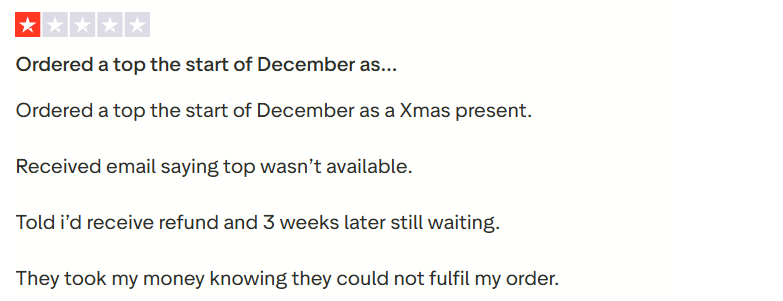
Negative Review Example
How you respond to negative reviews determines whether they harm or help you. Ignoring them suggests indifference, while thoughtful responses show professionalism. If you can resolve a problem publicly, you often win over not just the original reviewer but everyone else who reads the exchange. It demonstrates accountability and empathy, two qualities that build trust faster than polished advertising ever could.
From an internal perspective, negative feedback is an insight goldmine. It reveals recurring pain points such as delayed shipping, confusing sizing, or unclear product descriptions. Addressing these systematically leads to fewer complaints in the long run. Every piece of feedback, even harsh criticism, is a guide to improvement.
How to Encourage More Customers to Leave a Review
E-commerce success relies on maintaining a constant flow of fresh reviews. That requires both strategy and convenience. Many customers intend to leave a review but never get around to it, so the easier you make the process, the higher your response rate will be.
Automation helps. After an order is delivered, send out an email thanking the customer and providing a direct link to your review form. Keep it short, polite, and friction-free, ideally just one or two clicks to submit. If you use review platforms such as Google or Trustpilot, integrate links directly in your post-purchase communication.

Leave a Review Example
Timing matters. Ask for feedback while the product experience is still fresh. For example, if you sell skincare, request a review after two weeks of use. If it’s fashion, ask a few days after delivery. For recurring purchases, periodic prompts help maintain momentum and encourage long-term loyalty.
You can also experiment with gentle incentives. Discount codes, loyalty points, or small rewards for leaving honest feedback can nudge participation. The key is transparency; never ask for positive reviews in exchange for perks. Honest opinions, both good and bad, carry far more weight and keep your reputation credible.
Above all, show that reviews make a difference. When customers see their comments acknowledged or acted upon, they feel valued. A customer feels genuinely appreciated when their suggestion leads to an improvement or a personal response from your team. This sense of contribution strengthens loyalty and encourages future engagement.
Integrating Reviews Across the Customer Journey
Displaying reviews effectively can amplify their impact. They shouldn’t sit hidden at the bottom of a page; they should be visible where they support decision-making. Placing star ratings near product titles, short quotes near call-to-action buttons, or a carousel of testimonials on the homepage creates instant reassurance.

Review Example from JD Sports
Social media is another powerful amplifier. Sharing screenshots of positive reviews or reposting user-generated content turns your satisfied customers into advocates. Each share extends reach, exposing your brand to new audiences through authentic, unpaid promotion.
Email campaigns also benefit. Including snippets of real customer feedback in newsletters or post-purchase sequences reinforces credibility. For example, when promoting a best-selling product, a short testimonial can outperform traditional copy because it conveys authenticity.
Across all touchpoints, website, social media, advertising, and email, consistency is key. The same review content can work in multiple formats, reminding potential customers that your reputation is strong and continuously validated by others.
Turning Customer Feedback into Business Intelligence
Beyond marketing, reviews are a rich source of business intelligence. Analysing recurring themes helps you identify strengths to amplify and weaknesses to fix. If customers consistently praise fast delivery, make it a central promise. If they highlight issues with sizing or packaging, prioritise those improvements.
Tracking the sentiment of customer feedback over time can also reveal performance trends. For instance, a sudden dip in ratings after switching courier services might point to a logistics issue before it escalates. Conversely, an uptick in satisfaction after a website redesign confirms that the change is working.

Reviews also inform product development. When shoppers mention missing features or design preferences, they’re essentially giving you a free roadmap for innovation. Using this information to refine products keeps your offer aligned with customer needs and expectations.
From an operational standpoint, integrating review analytics with customer service tools enables quicker responses and better visibility across teams. Everyone, from marketing to logistics, can use review data to enhance the overall customer experience.
Managing Reviews Across Platforms
Online feedback doesn’t live solely on your site. Reviews appear on Google, Facebook, marketplace listings, and third-party platforms. Managing this ecosystem effectively ensures consistent reputation management.
Prioritise the platforms that matter most to your audience. Google reviews often carry the most weight for search visibility, influencing local rankings and click-through rates. Industry-specific platforms, however, may have higher trust within niche markets. Consistency in tone and response speed across all platforms reinforces professionalism.

Google Profile Reviews from Perpetual10
When responding to reviews publicly, keep messages concise and genuine. Thank positive reviewers, address issues raised in negative ones, and avoid defensive language. A respectful, solutions-focused approach shows integrity and builds confidence among onlookers.
Centralised review management tools can streamline this process, helping you monitor new feedback, assign follow-ups, and analyse trends. The goal is to make sure no comment goes unanswered because silence online can be mistaken for indifference.
The Importance of Detailed Reviews
While all reviews have value, detail makes the difference. A short “Great product!” might contribute to your star rating, but an in-depth comment that discusses quality, usability, or customer service provides context that future buyers rely on. Detailed reviews answer the questions new shoppers are already asking in their heads.
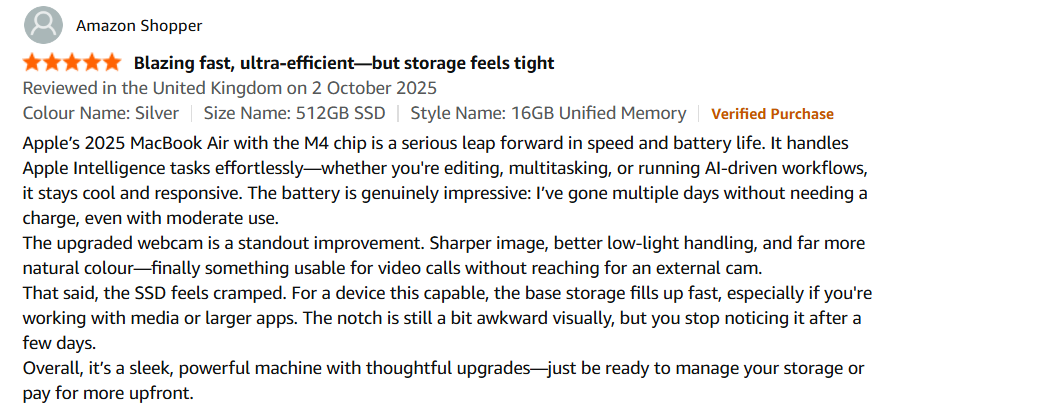
Product Review from Amazon
Encourage customers to describe specific aspects of their experience. Prompts such as “What did you like most?” or “How does it compare to similar items you’ve tried?” lead to richer feedback. When aggregated, these insights form a library of user-generated knowledge that supports sales and informs your team internally.
Detailed reviews also improve discoverability. Search engines extract keywords from review text, meaning the more descriptive your feedback, the more phrases your pages might rank for. Long reviews mentioning materials, colours, or use cases naturally create semantic relevance, which strengthens SEO over time.
Responding to Reviews: Creating Meaningful Engagement
How you handle reviews says as much about your brand as the reviews themselves. Every response is an opportunity to communicate your values and demonstrate reliability.
For positive feedback, a simple thank-you goes a long way. Acknowledging the customer’s effort to write shows gratitude and encourages others to contribute. For neutral or negative comments, empathy is crucial. Respond promptly, apologise if appropriate, and outline how you plan to resolve the issue.

Positive Review Example from Perpetual10
Transparency is key. If a solution has been implemented based on feedback, share that publicly. It signals continuous improvement and proves that reviews lead to action. Over time, this approach strengthens relationships and fosters a loyal community around your brand.
Remember, engagement doesn’t end after posting a reply. Use the information you gather to improve internal processes. If several reviews highlight the same issue, treat it as a call to refine that area of your operation.
Measuring the Impact of Reviews
Like any marketing channel, review performance should be measured. Start by tracking the number of reviews per product, the average rating, and the recency of feedback. A sudden drop in new reviews might indicate a need to refresh post-purchase emails or improve product experience.

Monitor conversion rates on pages with and without reviews to quantify impact. It’s common to see double-digit percentage increases once social proof is visible. Track metrics such as dwell time and bounce rate too, as longer engagement often correlates with trust and clarity provided by reviews.
Also, watch sentiment trends. Analysing the ratio of positive to negative reviews over time provides an early warning system for emerging issues. Combining this with customer support data helps maintain a holistic view of satisfaction across touchpoints.
Conclusion: Turn Reviews into Your Strongest Growth Channel
Customer reviews are far more than comments beneath a product listing; they’re the heartbeat of modern e-commerce. They guide hesitant buyers, reassure existing ones, and continuously feed your search visibility. They highlight strengths, expose weaknesses, and create a feedback loop that fuels better decisions across every area of your business.
From building credibility through social proof to boosting rankings in search engines, reviews touch every stage of the online buying journey. Whether positive or negative, short or detailed, every piece of feedback holds value, provided you listen, respond, and act.
If you want to strengthen your store’s reputation, improve conversion rates, and make your online presence more visible, now is the time to build a smarter review strategy. Get in touch with our team to learn how we help e-commerce businesses turn customer feedback into growth, and ensure every review works harder for your brand.