Why Networking for Builders is Vital to Bringing in More Business
For many builders, success is often judged by how many projects are completed or how well deadlines are met. But behind every successful job lies something far more powerful: relationships. In construction, no amount of skill or equipment can replace the value of a trusted network. Networking for builders isn’t about handing out business cards. It’s about forming real connections that open doors, solve problems, and bring in more work.
The building industry depends on people. From suppliers to subcontractors, the strongest businesses are built on communication, collaboration, and trust. Networking helps builders stand out, find better opportunities, and grow steadily over time.
What Networking Really Means in Construction
Networking in construction isn’t just about meeting people at trade shows or adding contacts on LinkedIn. It’s about creating professional relationships that help everyone involved. Builders rely on a wide network of people such as suppliers, architects, clients, and subcontractors. Each connection supports better planning, smoother work, and stronger results.

When things go wrong, these relationships can make the difference between quick recovery and major delay. A trusted supplier might speed up delivery, or a subcontractor might recommend you for a job they can’t take. These simple acts of support build long-term success.
A good reputation spreads quickly among industry professionals. When others speak positively about your work, reliability, and communication, that reputation becomes your most powerful marketing tool. Over time, this turns into a constant source of referrals and business growth.
How Networking Helps You Get More Building Jobs
Many builders believe that good work alone will bring more clients. While quality is essential, networking is what helps people remember your name when new jobs come up. It turns one-off projects into repeat business and brings together like-minded professionals who support one another.

Referrals and Repeat Work
Word of mouth is still the most effective way to find new jobs. Clients and developers trust personal recommendations more than any advert. Networking expands that circle of trust, increasing the chances of being referred. One positive recommendation can lead to years of consistent work.
Better Collaboration
Every project relies on teamwork. When you already know and trust the people you’re working with, communication is faster, expectations are clearer, and projects run more smoothly. Builders with a strong network can easily find skilled subcontractors, reliable suppliers, and experienced professionals, helping them deliver high-quality work on time.
Access to Industry Knowledge
Networking keeps you informed about local developments, pricing trends, and new building methods. Staying connected with other professionals helps you make smarter decisions and adapt quickly when regulations or market conditions change. It also helps you stay visible online, which supports your search visibility and reputation.
Who You Should Network With
Good networking isn’t about collecting hundreds of names. It’s about connecting with the right people who can help your business grow and who you can help in return.
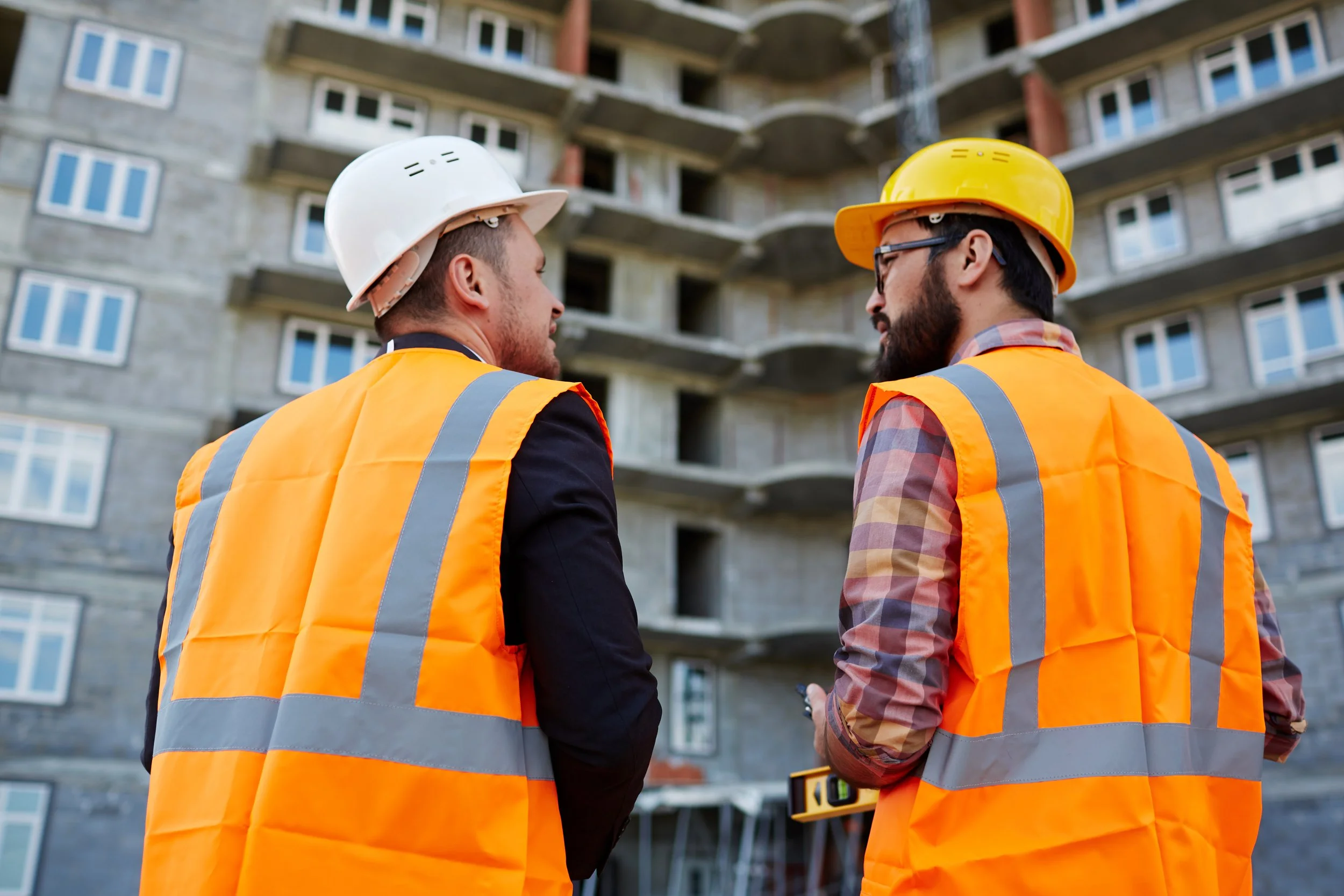
Clients and Homeowners
Past and current clients are some of your best promoters. Staying in touch after a project shows that you value their business. Simple follow-ups or seasonal updates can encourage repeat work or referrals. A happy homeowner often recommends a trusted builder to neighbours or friends, especially in close communities.
Architects, Surveyors, and Designers
Architects and designers are often asked to recommend builders. Building good relationships with them means you could be considered for more projects. Talking about design ideas, materials, or new trends helps show your experience and builds trust.
Suppliers and Merchants
Suppliers are often the first to know about upcoming developments or local building activity. When you have a good relationship with them, they might offer early notice of tenders or better rates. Strong connections with suppliers can also help you keep projects on schedule and reduce costs.
Industry Leaders and Mentors
Connecting with experienced builders or industry leaders can accelerate your long-term growth. They can introduce you to useful contacts and help you avoid common mistakes. Even informal mentoring relationships can improve how you manage projects and find new opportunities.
Where to Find Networking Opportunities
Networking happens in many places. Some relationships develop naturally on-site, while others start at events or online. The key is to be active where your target audience and industry professionals already are.

Construction Networking Events
Events like London Build Expo or those organised by the Home Builders Federation give you direct access to decision-makers. These events are full of networking opportunities where you can meet other builders, suppliers, and developers. They’re also great for spotting new industry trends, technologies, and marketing strategies. Even local business breakfasts or regional meet-ups can help you connect with potential clients and partners.
Trade Associations and Professional Bodies
Joining organisations such as the Federation of Master Builders (FMB) helps you connect with like-minded professionals and gain credibility. These groups run workshops and forums where you can share experiences and learn about changes affecting the construction sector.
On-Site Networking
Your current job site is one of the most valuable networking spaces. Builders, subcontractors, and project managers work side by side every day. How you communicate, stay organised, and handle challenges leaves a lasting impression. Each positive experience can lead to future work or direct referrals.
Community and Volunteer Projects
Taking part in local initiatives or charity work is a great way to show your skills and values. It demonstrates your commitment to the community and helps you meet other professionals with similar goals. These projects often attract attention from local businesses and residents who could become future clients.
Online Platforms and Social Media
Social media now plays a major role in networking. LinkedIn, Facebook, and specialist construction forums make it easy to showcase projects and connect with clients or trades. Posting before-and-after images, sharing practical advice, or commenting on others’ work increases your visibility. This kind of digital networking also helps with search engine optimisation by building your online presence and authority.
How to Build a Strong Network
Creating lasting business relationships takes effort and consistency. Builders who are good at networking understand that offering value first often leads to more success later.

Be Reliable and Professional
In construction, your reputation is everything. Always do what you say you will, communicate clearly, and deliver high-quality results. Professionalism doesn’t just mean turning up on time; it includes accurate quotes, good documentation, and honest communication. These habits show that you’re dependable and make others more likely to recommend you.
Give Before You Ask
Networking works best when it’s based on trust and generosity. Offer help, share advice, or make introductions for others when you can. A simple gesture, such as recommending a tradesperson or sharing a useful resource, builds goodwill that can come back to you later.
Stay Visible
If people don’t see you, they forget you. Keep your name active through online updates, local events, and professional groups. Share your knowledge and participate in conversations. Regular visibility also supports your SEO goals by helping your business appear in searches when clients are looking for builders in your area.
Follow Up and Maintain Contact
A quick message after meeting someone can go a long way. Whether it’s thanking them for their time or sharing a useful article, small gestures show professionalism. Keep in touch every few months to maintain relationships without being pushy. Over time, those consistent interactions turn into meaningful connections.
Use Social Media Wisely
Online platforms are powerful for networking, but they work best when you use them with purpose. Builders can:
Share project progress or finished work
Post testimonials and case studies
Engage with local homeowners and trades groups
Comment on updates from architects or suppliers
Each post builds credibility and supports your online visibility, helping clients find you more easily.
Turning Relationships into Business Growth
Networking is only useful if those connections lead to real opportunities. Builders who use networking effectively focus on building trust and staying visible. When industry professionals see you as dependable and easy to work with, they naturally recommend you. When clients trust you, they tell others about your work. Over time, these connections grow into steady business pipelines.

Consistency is what keeps your reputation strong. Every well-managed project, clear conversation, and quick response adds to how others see you. A smaller but loyal network of reliable professionals will always deliver more value than hundreds of weak connections.
Networking also supports your SEO strategy. Sharing updates, linking to your website, or getting mentioned by other businesses all help strengthen your search visibility. It’s a simple way to let your relationships build both trust and traffic.
Avoiding Common Networking Mistakes
Even the best builders can struggle with networking if they fall into bad habits. Some of the most common mistakes include being too focused on selling, forgetting to follow up, or ignoring online visibility. Successful networking is about genuine connection, not constant promotion. Stay authentic, keep your online profiles updated, and treat every contact with respect. This approach strengthens your professional image both offline and online.
The Long-Term Value of Networking
Networking isn’t something you do once. It’s an ongoing habit that shapes your entire career. Each conversation, recommendation, and collaboration adds another layer of trust and recognition. Over time, your network becomes one of your most valuable business assets.
When work slows down or the market changes, your connections keep you supported. Industry professionals who trust your work are more likely to call you first. Staying part of a strong professional community keeps you informed, motivated, and visible.
Networking helps you grow as a professional as well as a business owner. Talking with industry leaders and experienced builders gives you insight into new materials, construction methods, and management practices. These interactions keep your skills current and your business ready to compete in a fast-changing industry.
Conclusion – Building Success Through Connection
For builders, networking is not just a social activity. It’s a key part of growing a business. Every conversation and collaboration is a chance to build trust, gain new clients, and strengthen your reputation. The builders who succeed are the ones who treat relationships with care and consistency.
By attending construction networking events, staying in touch with industry professionals, and using social media to stay visible, you build a steady foundation for long-term success. Networking helps you create genuine connections that bring in work and grow your business naturally.