Simple Ways to Get More Customers to Complete Their Orders
For many e-commerce and online businesses, the hardest part is not getting people to visit. It is persuading them to finish the order they started. A shopper adds a product to their basket, clicks through to checkout, and then leaves. Studies suggest that around seven out of ten online shopping sessions end without a completed order. For a small business, that means a significant amount of lost revenue and wasted marketing effort.
If you want more potential customers to complete their orders, you need to understand why they leave and how to make the process easier. Most of the time, the solution lies in improved customer experience and a few technical and design adjustments that make your e-commerce site perform better in search engines and for real people alike. When you focus on effective ways to get more customers to complete their orders, you begin to identify the barriers holding them back and the changes that genuinely encourage them to convert.
Why customers quit at checkout
Every abandoned order tells a story. Sometimes the customer is surprised by extra delivery costs. Other times they become impatient because the process takes too long or the site feels confusing. Poor mobile performance or a checkout form that looks untrustworthy can also drive them away.

There are technical reasons too. A slow e-commerce website, broken tracking code, or checkout page errors can interrupt the process and stop visitors from returning. These issues harm not only your sales but also your search visibility, since search engines assess user experience when ranking pages.
Before making changes, look at your analytics. Platforms such as Google Analytics or Search Console can show you where visitors drop off. If many people exit between the basket and the payment page, your checkout flow might be too complicated. If bounce rates are high on mobile devices, your site speed or layout could be the problem. Knowing where customers leave allows you to fix the real barriers rather than guessing.
Streamline the checkout process
The most direct way to encourage customers to finish their orders is to simplify every step. Modern buyers expect speed, clarity, and no unnecessary friction. They will not wait for pages to load or complete forms that feel repetitive.
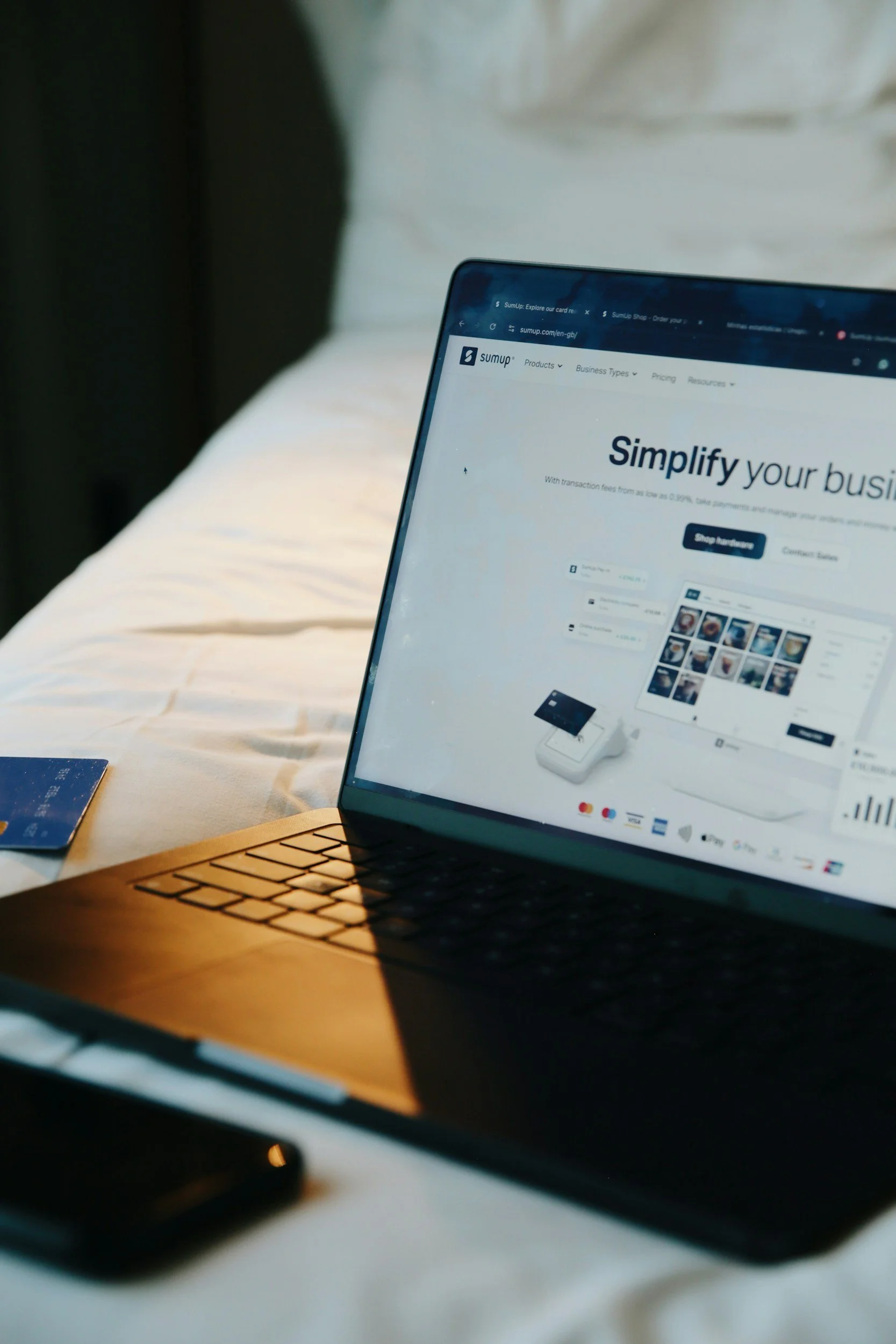
Offer guest checkout
Forcing users to create an account before buying is one of the fastest ways to lose them. First-time shoppers want to complete their purchase without commitment. Guest checkout gives them that flexibility while still allowing you to invite them to register later. After payment, you can encourage them to create an account with a small incentive, such as tracking access or loyalty benefits.

Guest Checkout Example from Gucci
Keep everything short and clear
Lengthy, multi-page checkouts are a major cause of abandonment. A single-page layout with progress markers often performs best for e-commerce brands. Only request what you absolutely need, such as delivery details, contact information, and payment method. Add address auto-complete to save time and reduce mistakes. When the process looks simple and fast, customers are more likely to continue.
Be transparent about cost
Unexpected charges are a common reason people leave before payment. Display all shipping fees and taxes as early as possible. Ideally, show estimated delivery costs on the product page or at the basket stage. Transparency builds confidence and reduces hesitation, which is especially important for e-commerce stores competing in crowded markets.
Allow easy adjustments
A smooth experience includes control. Let customers edit quantities, change delivery options, or remove items without having to restart the process. These small touches create a positive experience that encourages customers to complete the order instead of giving up.
Build trust with clarity and reassurance
A checkout page is not just about taking payment. It is the final point where the customer decides whether to trust your brand. Strong visual signals, reassuring text, and proof of credibility can make all the difference for any e-commerce store.

Emphasise security and stability
Show recognised security badges next to payment details. Inform visitors that their transaction is encrypted and their personal data is protected. Keep the layout calm and uncluttered. A confident design that looks professional creates the sense of reliability that customers need before committing to a purchase.
Display contact options
Visible contact details build trust and also support your customer service goals. Add a live chat, a support link, or a clearly written email address. Many customers never use these options, but simply knowing that help is available gives them reassurance.
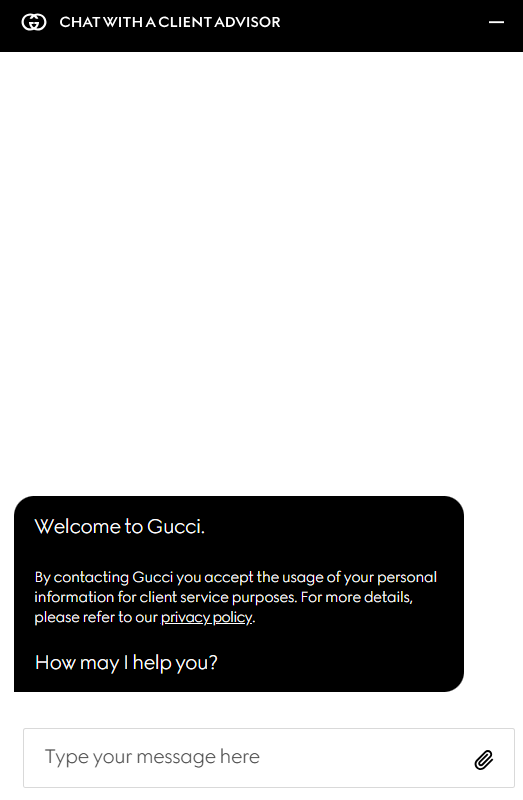
Live Chat from Gucci
Include social proof
E-commerce shoppers want confirmation that others have had a positive experience. Incorporate short customer reviews, star ratings, or small mentions of repeat buyers near the order summary. This social proof acts as validation at the point of decision. It also supports your marketing strategy because reviews are a ranking factor in many search engines and can appear in rich results when marked up correctly.

Socials Example from Flatspot
Fix technical issues that cause drop offs
While design and usability matter, technical performance is equally important. Search engines favour websites that load quickly and function without error, and customers feel the same. A slow e-commerce checkout can destroy trust and discourage repeat visits.

Improve site speed
Page speed is one of the easiest technical wins. Compress large images, remove unused scripts, and ensure your hosting server responds quickly. Test your site using tools like Google PageSpeed Insights or GTmetrix. The faster the checkout loads, the lower your abandonment rate will be. For e-commerce businesses, this improvement also supports SEO and user satisfaction simultaneously.
Use secure HTTPS and updated certificates
Many customers abandon checkout when browsers show a “not secure” warning. Keep SSL certificates up to date and ensure every page uses HTTPS. Security also affects SEO, as browsers and search engines prioritise secure domains in rankings.
Fix crawl errors and broken links
Technical errors can block visitors or confuse analytics data. Run regular audits using tools such as Screaming Frog or Semrush to identify broken internal links, duplicate meta descriptions, and redirect loops. Clean code and well-structured pages improve both customer experience and search engine visibility. This is particularly important for e-commerce sites with large catalogues where product pages change frequently.
Implement structured data
Adding schema markup for products, reviews, and prices helps search engines display your listings with additional information in results pages. Rich snippets can attract more potential customers and improve your click-through rate, giving you more chances to convert browsers into buyers. Structured data is essential for e-commerce visibility, helping your product range appear more prominently in search results.
Make payment simple and flexible
Payment is the moment of truth. Customers should feel that completing the transaction is the easiest part of the process, not the hardest.
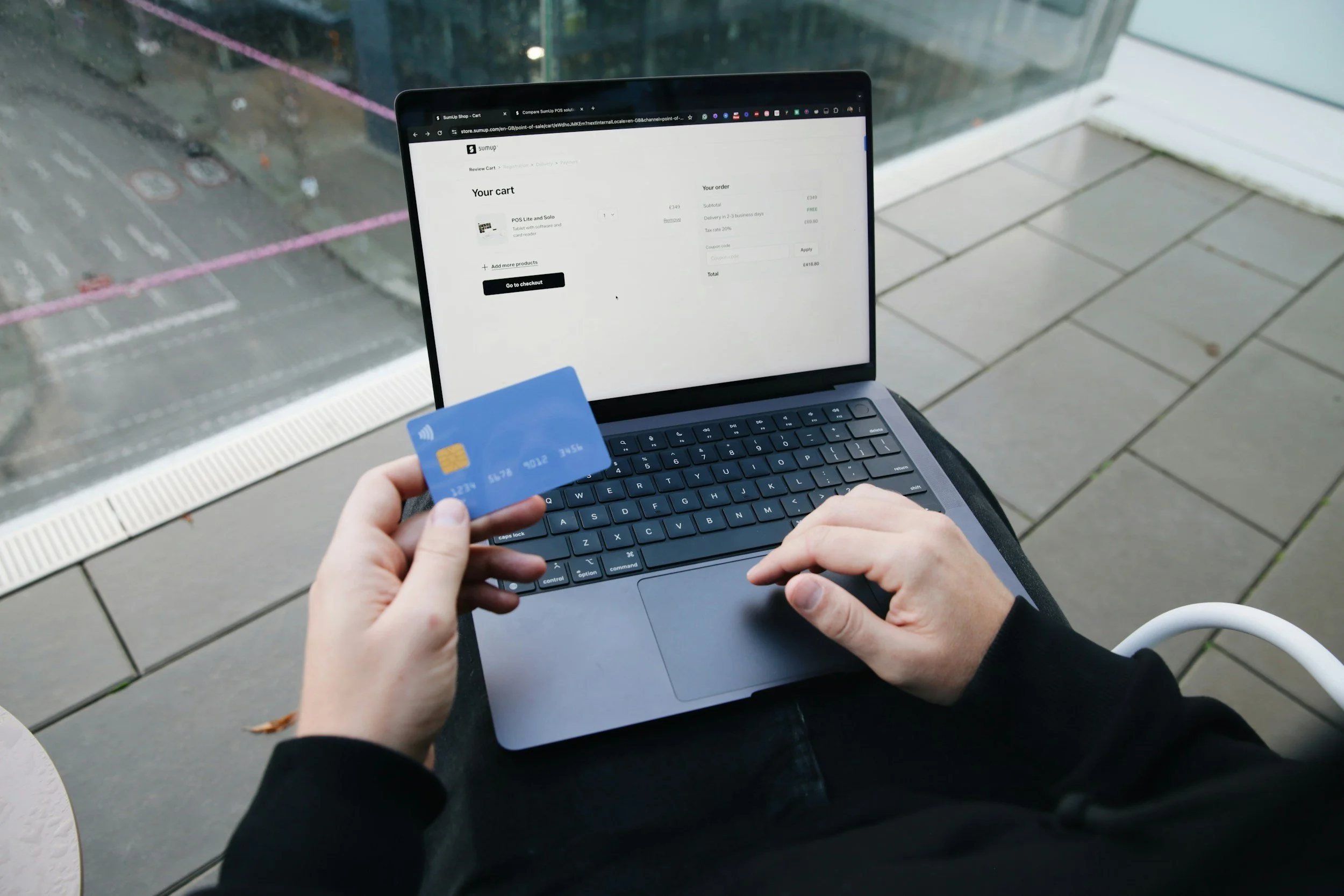
Offer trusted payment methods
Cards, PayPal, Apple Pay, and Google Pay are the most recognised options in the UK. Offering these familiar methods gives people confidence. Avoid cluttering the page with too many alternatives that may appear unreliable. E-commerce customers value convenience and familiarity more than variety.

Trusted Payment Methods Example from Flatspot
Optimise for mobile devices
More than half of online orders now take place on mobile. The payment process must be easy to use on smaller screens. Large buttons, automatic form filling, and clear progress indicators can transform the experience. If mobile shoppers struggle to type or scroll, they will leave before finishing.
Include express options
Speed matters. Enable wallet-based express checkout for returning customers so they can buy in seconds. These features also send positive signals to search engines because they improve user engagement metrics such as time on site and task completion.
Deliver confidence after the click
Order completion does not end once the customer pays. The way you handle the period after purchase determines whether they return, leave a review, or recommend you to others. That is how a single transaction becomes an ongoing relationship with an existing customer.
Offer realistic delivery choices
Clear delivery windows and tracking links reduce anxiety. Provide both standard and express options with accurate time frames. Being honest about delivery expectations protects your brand reputation and prevents support issues later. For e-commerce retailers, reliable delivery is a major factor in repeat purchasing.
Promote free shipping thresholds
Free delivery remains one of the strongest conversion incentives. Setting a threshold just above your current average order value can increase both conversion rates and basket sizes. Display it early so customers know exactly how much they need to spend to qualify.

Free Shipping Example from Flatspot
Communicate throughout the journey
Send confirmation emails immediately after purchase and follow up with dispatch notifications. These messages reassure customers that everything is progressing smoothly. They also improve deliverability and brand recall, which strengthens long-term trust.
Simplify returns
An accessible returns policy creates security for the buyer. Explain your process clearly and avoid complicated rules. When people know they can return an item easily, they feel safer completing the order.
Measure and refine using analytics
Understanding your performance data is essential. Conversion optimisation is not guesswork. You can only improve what you measure.

Monitor checkout behaviour
Use analytics tools to map the customer journey. Measure how many people start checkout, which pages they visit, and where they stop. A clear funnel report reveals the specific stages that need attention. For e-commerce brands, this data can show whether technical issues or user design elements are causing the biggest drop-offs.
Set up event tracking
Track actions such as clicks on payment buttons, coupon code errors, and address field completion. These small insights show how people interact with your form. If many sessions end before payment, it might be a technical fault rather than customer hesitation.
Test new variations
Run controlled experiments with layout and design. Compare a one-page checkout with a two-step flow or change the position of delivery information. Even minor adjustments can produce measurable improvements in conversion. Continue refining until you find the simplest, most efficient structure.
Bring back hesitant customers
Even the most optimised e-commerce site will see some customers leave before payment. Follow-up marketing can recover many of these lost opportunities and reinforce brand awareness.
Automated reminder messages
Send a gentle reminder if someone abandons their basket after entering their contact details. Include a product image, a clear price, and reassurance about stock or delivery. This shows attentiveness without being intrusive.
Social media retargeting
Target past visitors through social platforms with subtle reminders of what they viewed. Combining this approach with positive reviews or customer stories provides reassurance and can reignite interest.
Loyalty and rewards
Encourage customers to return by offering points, thank you vouchers, or early access to new products. Repeat buyers cost less to convert than new ones and often become advocates who spread the word about your business.
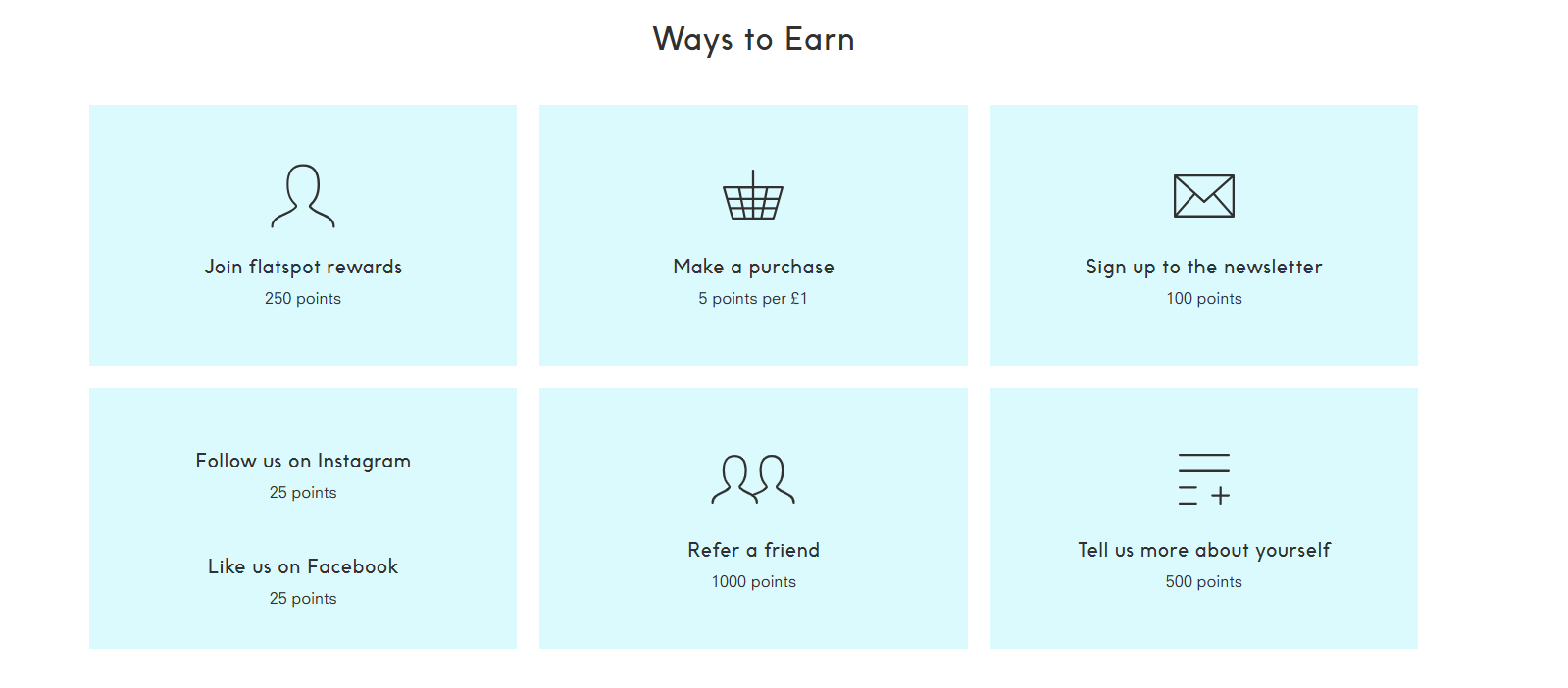
Rewards System from Flatspot
Connect checkout performance to SEO success
While order completion feels like a sales issue, it is deeply connected to search performance. Search engines track user signals such as time spent on site, bounce rate, and repeated visits. A slow, confusing checkout increases abandonment and lowers engagement, which can reduce visibility across search results.

By fixing technical problems, speeding up your site, and simplifying navigation, you not only convert more visitors but also send positive signals to search engines. These improvements form part of a wider e-commerce marketing strategy where usability, trust, and visibility all reinforce one another. A fast, secure, easy-to-use checkout shows professionalism, which encourages both customers and algorithms to value your site.
Keep improving and listening
Optimising the path to purchase is not a one-time project. Technology evolves, and customer behaviour changes. Schedule regular reviews of your analytics, gather customer feedback, and stay informed about updates to payment technology and search engine best practices.
Ask for feedback through post-purchase surveys or short follow-up messages. Customers often share valuable insights about what felt confusing or slow. Acting on this feedback shows commitment and can uncover small technical or content issues before they affect your results.
Conclusion: Turning visitors into loyal customers
Encouraging more customers to complete their orders is about removing obstacles, both technical and psychological. A clear, secure, and fast checkout supported by accurate communication gives people confidence to finish what they start. Combine that with solid SEO foundations, and your e-commerce business becomes easier to find, easier to trust, and easier to buy from.
If you want to strengthen your checkout performance, refine your technical SEO, or develop a marketing strategy that attracts and retains more e-commerce customers, now is the time to act. Get in touch with Perpetual10 today for a free site audit.