How to Get More Clicks from Google
Most business owners already know the feeling of typing their company name or service into Google Search and wondering why the phone is not ringing as much as it should. You may already appear somewhere in the search results, yet the traffic is far lower than expected. This is a common problem, especially for small businesses that are doing the hard work of trying to stand out online. One of the biggest reasons this happens is because of click-through rate.

Click-through rate often referred to as CTR, is the percentage of people who see your listing on Google Search and actually click on it. In simple terms, it shows how good your search result is at convincing someone to choose your web page instead of the other results. Even if your rankings stay exactly the same, improving this number can bring in far more visitors. This is why click-through rate is such an important part of digital marketing and why learning how it works can be a major advantage for any business looking to grow online.
Understanding click-through rate
Search engines show your web page in the search results whenever a user types a search query that seems relevant to what you offer. Every time your page appears, it counts as an impression. Every time someone clicks your page, it counts as a click. If 100 people see your result and 5 click it, your click-through rate is 5 per cent.
Seeing the number written like that may seem small, but even tiny improvements can produce meaningful gains in traffic. For example, imagine your business receives 10,000 impressions every month for a key search term. If your CTR increases from 3% to 6%, your traffic doubles without improving your ranking at all. For a small business, that can be the difference between a quiet month and fully booked work.
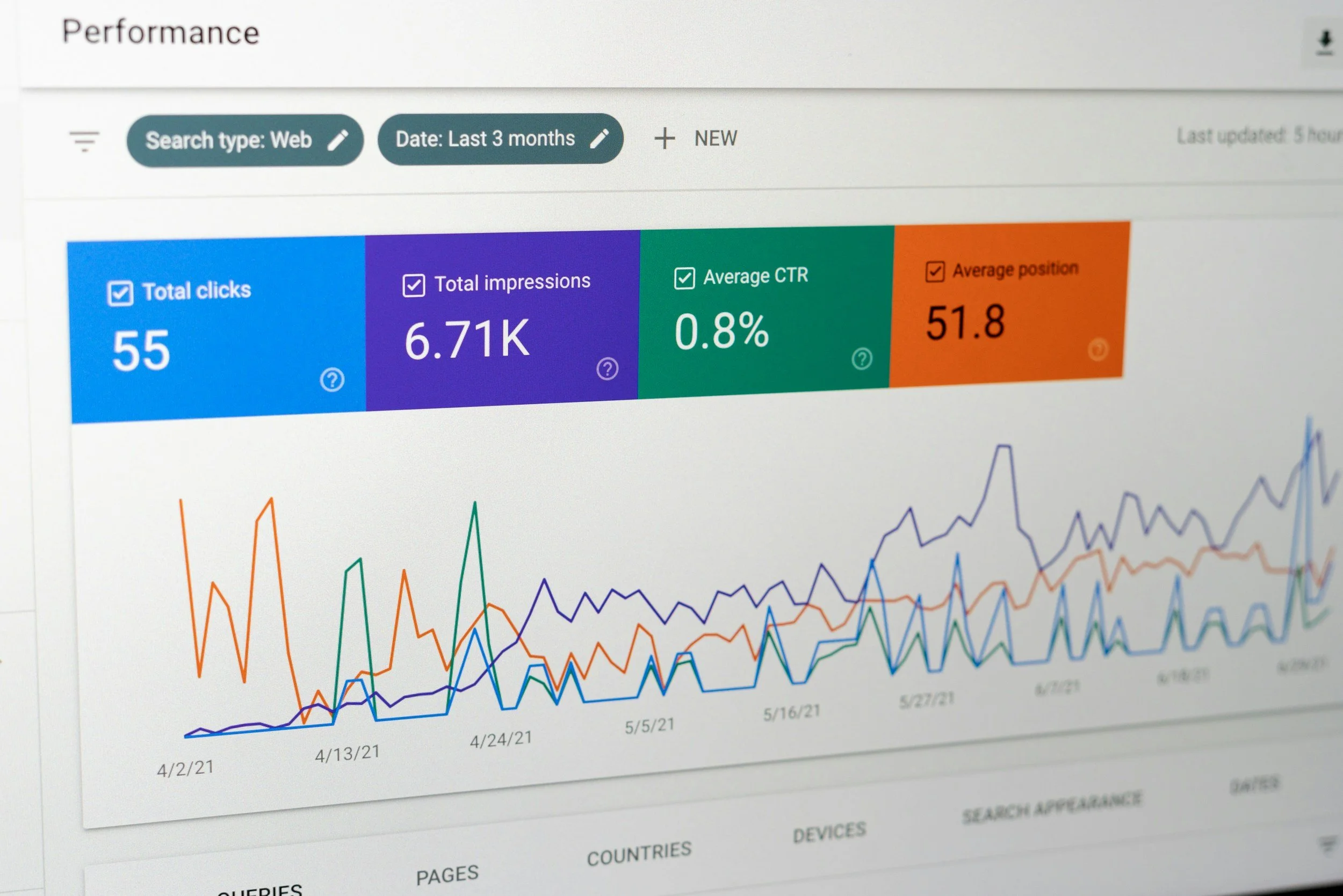
It is common for business owners to focus almost entirely on ranking higher. Yet sometimes the top results on the page get fewer clicks than those sitting underneath, simply because the lower results have better titles, clearer descriptions or stand out visually. This means CTR can help a smaller business compete against much larger rivals by being more relevant to the target audience.
CTR is also valuable because it gives you insight into whether your pages look appealing or trustworthy. A low click-through rate is a helpful signal that your listing is not quite matching what searchers expect to see. With a little refinement, it can begin to work much harder for you.
Finding missed opportunities in Google Search Console
If you already have a website, you most likely have impressions and clicks without even realising it. Google Search Console is a free tool that helps you see how your pages are performing. For each search query, you can see how often you appear, the position you normally sit in on the results pages and the percentage of people who choose your listing.
Many business owners discover that they actually show up far more often than expected but most of those impressions do not turn into clicks. This is where you can make fast improvements. Pages that sit in positions two to ten often hold the greatest opportunity because they are visible but not persuasive enough.
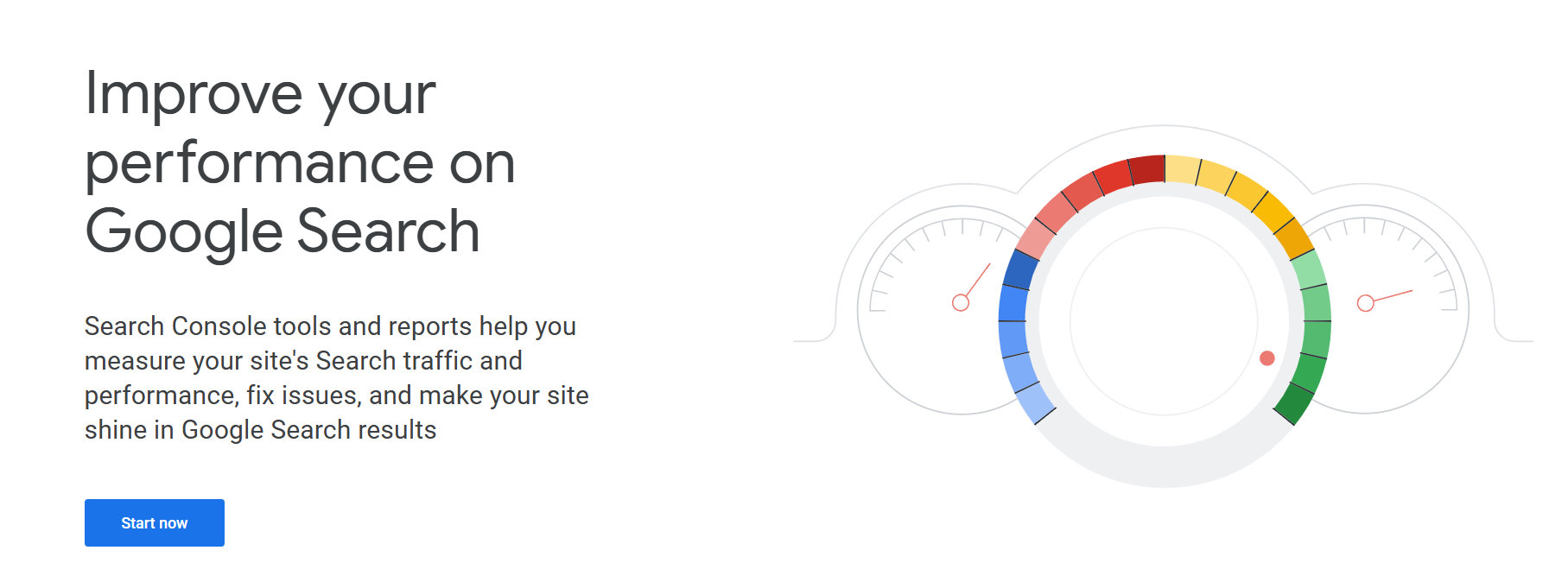
Once you see which pages have a lot of impressions yet low CTR, you can start looking at the information Google is showing on the page. This is the part that influences whether a searcher decides to click.
How to make your listing more appealing in Google Search
When someone sees your page on Google, they make a decision in seconds. Your title, URL and meta description all play a part in convincing them that your content is the most relevant answer to their problem. Making these elements clear, helpful and attractive can transform your result into something people want to click.
Strong and relevant titles
The title is the blue clickable text you see in the search results. It needs to tell the reader exactly what they will find on your page. It should also reflect the search intent behind the keyword. For example, if someone searches for “best accountant for small businesses”, your title needs to reassure them that your page matches what they want.
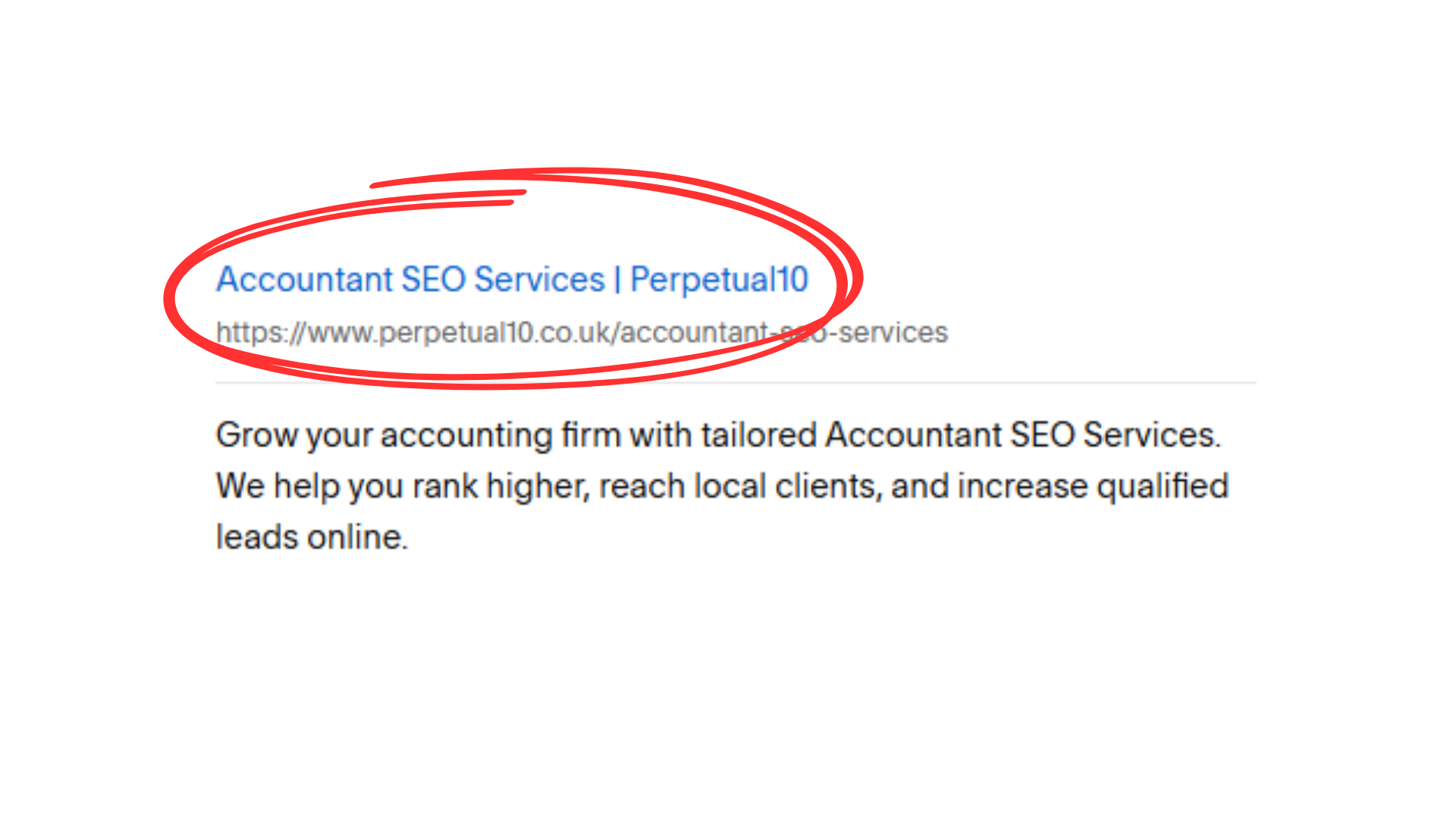
An effective title is usually specific, uses natural language and includes the main search term without sounding forced. It should help people instantly understand why clicking your result is worth their time.
Compelling meta descriptions
The meta description is the short block of text beneath the title. It does not affect your ranking directly but it does influence CTR. Think of it as a mini pitch that tells the reader what they can expect when they land on your web page. A good meta description highlights the key information or benefits and encourages curiosity.
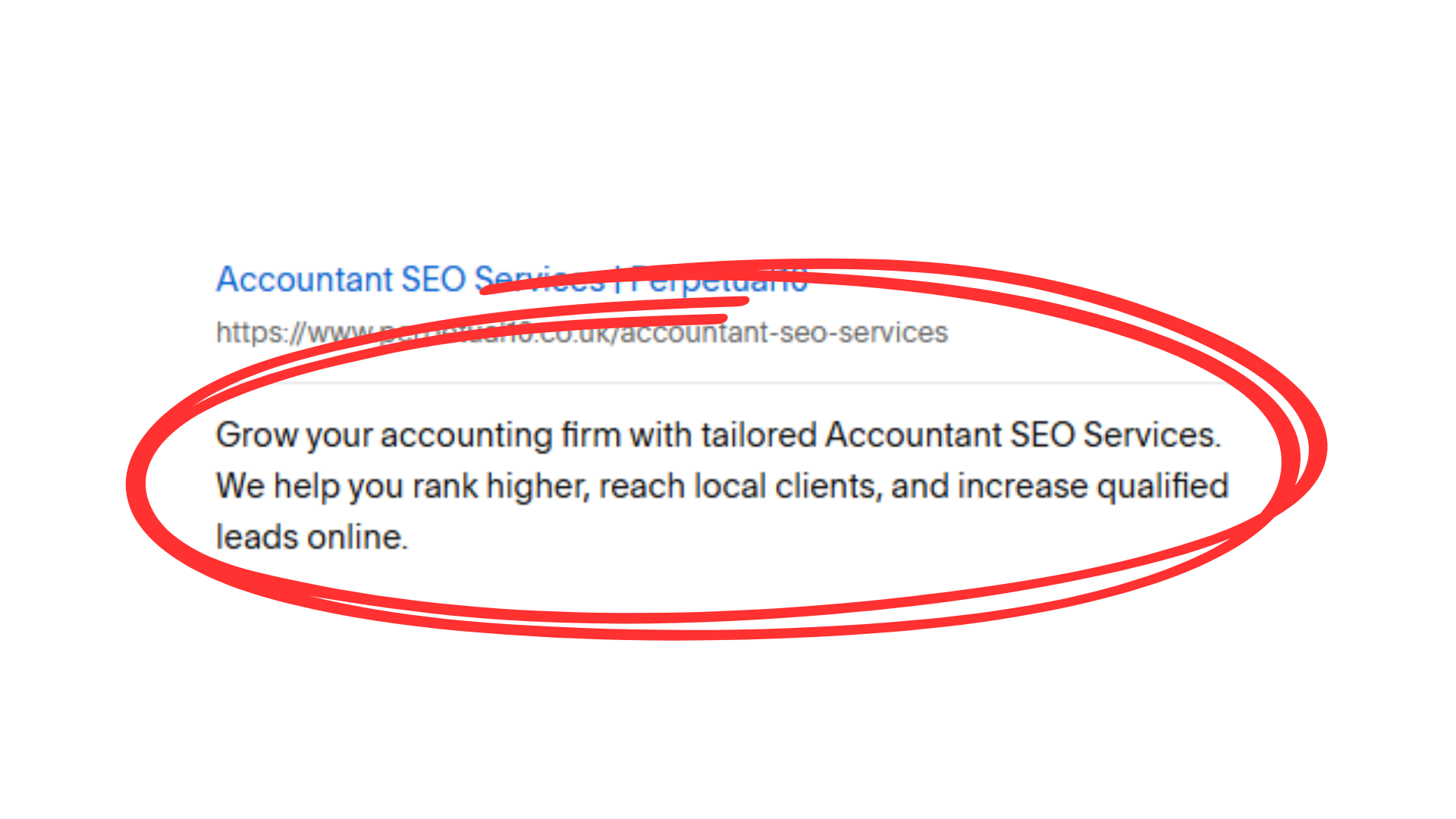
Since this is written for real people, it is important to avoid stuffing keywords. Instead, focus on clarity and relevance. Search engines will often rewrite descriptions that do not match the search query well enough, which is why being accurate is essential.
Clean and descriptive URLs
A tidy URL can help reassure searchers that your page contains high-quality and trustworthy information. A URL like /google-search-tips is far more appealing and easier to understand than something filled with random numbers. Search engines also use readable URLs as a way of understanding what your page is about.
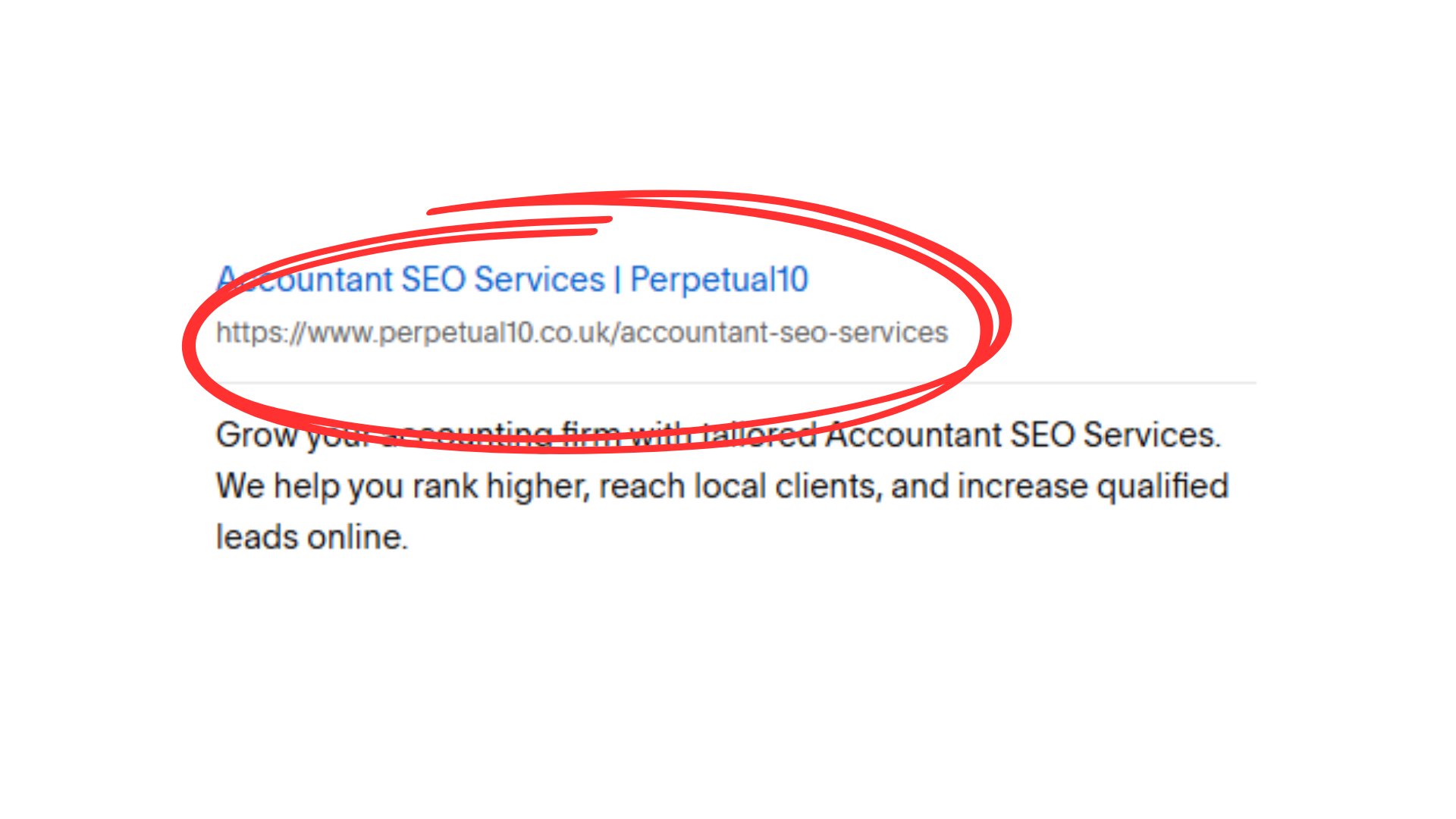
Improving the visual appeal of your result
Small details can make your listing stand out. For example, using a clear favicon can make your brand more recognisable in mobile results pages. Using structured data on your site can also enable rich results such as FAQ drop-downs or review stars. These features draw the eye and can significantly improve CTR because your result takes up more space and looks more useful.
Creating content that naturally attracts more clicks
CTR is not only about how your listing looks. It is also about how confidently your pages answer the question a user has in mind. High-quality content gives users the reassurance that they will find the solution they need.
One effective technique is to use headings that clearly match the topic beneath them. This helps both search engines and readers understand the structure of your content. For longer guides, a table of contents or jump links can help users move quickly to the part of the page they need. This improves user experience, which search engines value highly.
It also helps to cover the topic fully without overwhelming readers. Business owners often worry about word count but the goal is to answer search intent in a complete and friendly way. Include the related areas people expect to see. For example, if you are writing a guide to improving CTR, you would naturally cover titles, meta descriptions, alt text, user experience and rich results. Google recognises these connections and is better able to match your page to relevant search queries.
Understanding search intent and matching the SERP
Every search term has an expected type of result. If Google Search is showing short checklists for a particular query, your own page should follow a similar format. If the results pages show long form guides, then your content should reflect that depth. Checking what already appears for your target keywords helps you understand what users want and how best to create content that stands out while still matching expectations.
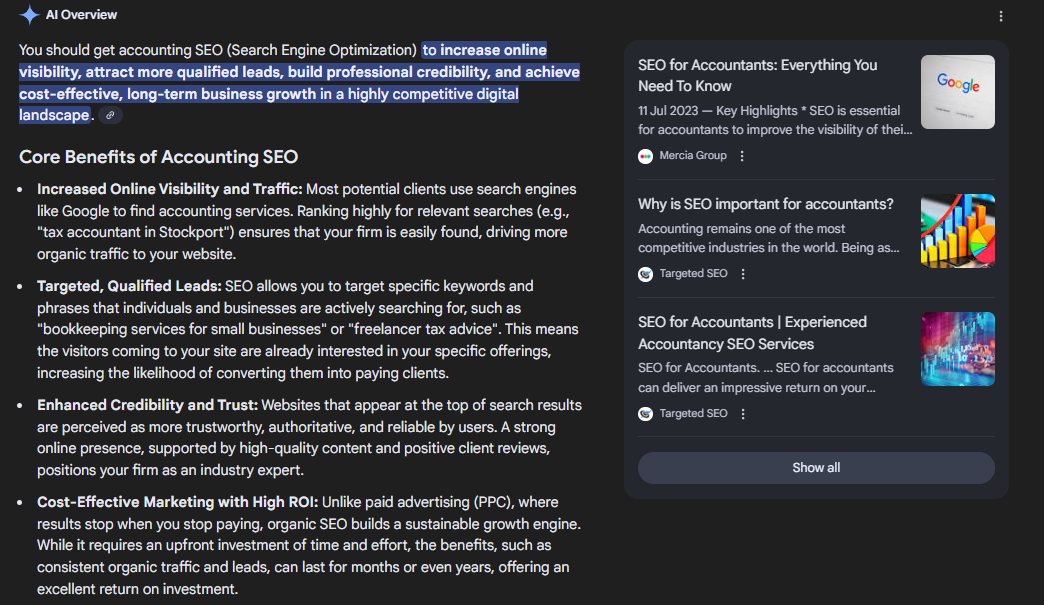
Featured snippets and People Also Ask boxes are also worth considering. These appear when Google believes a short and direct answer is helpful. By answering common questions in short, clear paragraphs, your page becomes more likely to appear in these areas, which can lead to higher CTR. If you want to explore these formats in more detail, you can read our article on SERP features for a deeper understanding of how they work.
Using brand and local visibility to increase clicks
For many small businesses, brand searches are a significant source of traffic. A strong Google Business Profile ensures that when someone searches your company name, they see accurate information such as opening hours, contact details, reviews and images. This improves trust and encourages direct clicks to your site or calls to your business.
Local results also appear for many types of searches. Optimising your profile and ensuring your web page includes your location where relevant can help you appear in these panels. These listings often sit above traditional organic results and attract a large share of clicks.
A brief note on getting more clicks from Google Ads
Although this guide focuses on organic search, many businesses rely on paid search as well. Improving CTR in Google Ads follows similar principles. Relevant ad copy, clear messaging and a strong understanding of your target audience all contribute to more effective campaigns. Using sitelink extensions, call extensions and location extensions can make your advert more useful and more clickable. Negative keywords also help you avoid wasting budget on searches that are not relevant.
The importance of improving user experience
Even if someone clicks your result, the journey does not end there. If your page loads slowly, looks cluttered or is difficult to use, many visitors will leave. Search engines pay attention to these behaviours. A positive user experience encourages searchers to stay longer and engage with more of your content. Fast loading pages, mobile-friendly design and clear navigation all help to maintain the trust built from the moment someone clicks your listing.

Measuring progress and improving over time
Once you start making changes, it is important to track what works. Google Search Console allows you to compare CTR before and after updates. Testing different styles of titles or meta descriptions can reveal which versions resonate most with your audience. Over time, patterns begin to emerge. Perhaps your readers prefer titles with benefits, or maybe they respond best to direct statements rather than questions. These insights help you refine your approach and improve performance across your entire site.
Conclusion
Getting more clicks from Google is one of the most effective ways a business can increase traffic without chasing constant ranking improvements. By understanding what click-through rate means and how users make decisions on the results pages, you can create content that matches search intent and encourages far more people to choose your business over the others. Small improvements in titles, descriptions, structure and user experience can unlock significant growth for any organisation.
If you would like support improving your search presence and turning impressions into meaningful traffic,contact the team to learn how our digital marketing expertise can help your business grow.