Why Is My PPC Landing Page Not Working
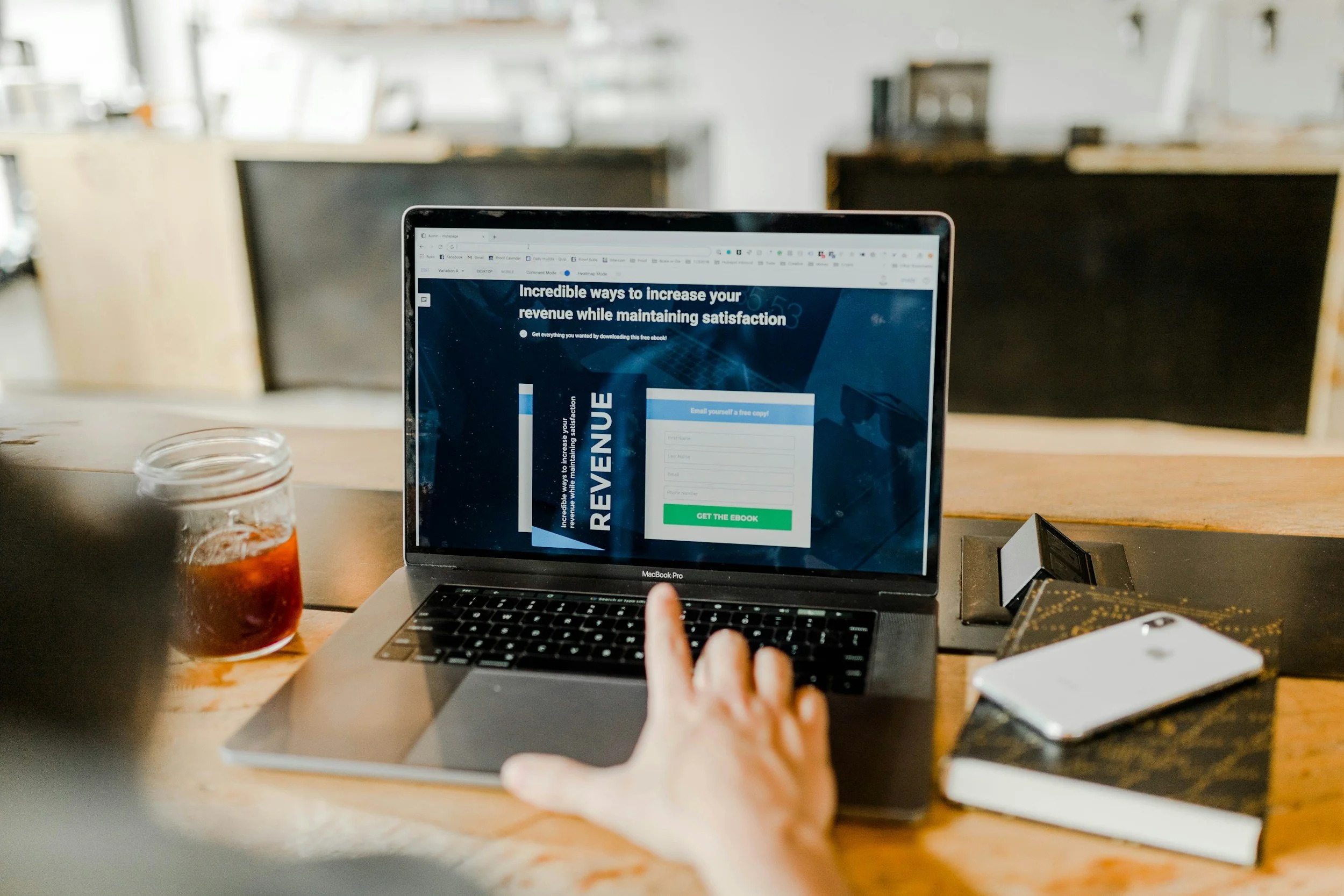
Pay-per-click advertising can bring fast traffic, but many businesses still wonder why leads are not coming through. A common question is, 'Why is my PPC landing page not working?' even when the ads seem strong. In most cases, the landing page is the reason a ppc campaign succeeds or fails. If the page is confusing, slow, or does not match the user’s search, the visitor will leave before taking action. This guide explains the most common issues that affect ppc landing pages and how you can fix them to increase conversion rates and improve campaign performance.
Why Message Match and Search Intent Matter
One of the main reasons a landing page fails is a mismatch between the ad and the page it leads to. When someone clicks a Google Ads placement, they expect the headline and offer to link directly to what they saw in the ad copy. If you promise a specific product or service in the ad but send users to a general page, the experience becomes confusing. Most people do not search around a site to find what they need. They leave quickly if the content does not match their search terms.
Search intent also plays a key role. A user looking for a simple comparison or early research is not ready for a heavy call to action cta, such as booking a full consultation. In contrast, someone searching for a very specific service is more willing to act. Good landing pages use headlines and CTAs that match how ready the visitor is to engage. This reduces friction and helps the user feel confident that they have reached the right place.
Ad Relevance, Keyword Grouping and Quality Score
Google gives each keyword a quality score. This score depends on ad relevance, expected click-through rate, and the landing page experience. If these elements do not line up well, the ads show less often and cost more.
A common cause of low relevance is a poorly structured ad group. If an ad group contains too many keywords with different meanings or different levels of intent, the landing page cannot serve all of them well. This lowers quality score and can harm conversion rates.
A better approach is to group keywords by theme. Each ad group should focus on one clear topic. The landing page then reflects that topic in the headline and copy. Strong ad copy supported by negative keywords also helps filter out traffic that will not convert. Reviewing search terms often ensures your ppc campaign stays focused and avoids paying for unsuitable clicks.
The Effect of a Weak or Confusing Call to Action
A landing page works best when it guides the user towards one clear action. Many low-performing pages use several CTAs at once, which leads to confusion. When people face too many choices, they often choose none.
A strong cta appears near the top of the page and explains simply what the user should do next. It should not compete with several other actions. If you want to offer an alternative, such as downloading a guide or requesting a quick quote, make it secondary so it does not distract from the primary goal. A focused landing page design always helps improve conversion rates.
Landing Page Design and Improving User Experience
The layout and structure of a landing page have a direct impact on user experience. If the page feels busy, difficult to scan, or visually outdated, users lose confidence in the product or service. Paid visitors are usually unfamiliar with your brand, so they need reassurance quickly.
A clean landing page design makes this easier. A clear headline followed by a short explanation of the offer helps users understand the purpose of the page within seconds. Short sections, simple language, and a clear visual layout all help users stay engaged. Removing navigation menus or unnecessary links also reduces distractions and keeps attention on the goal.
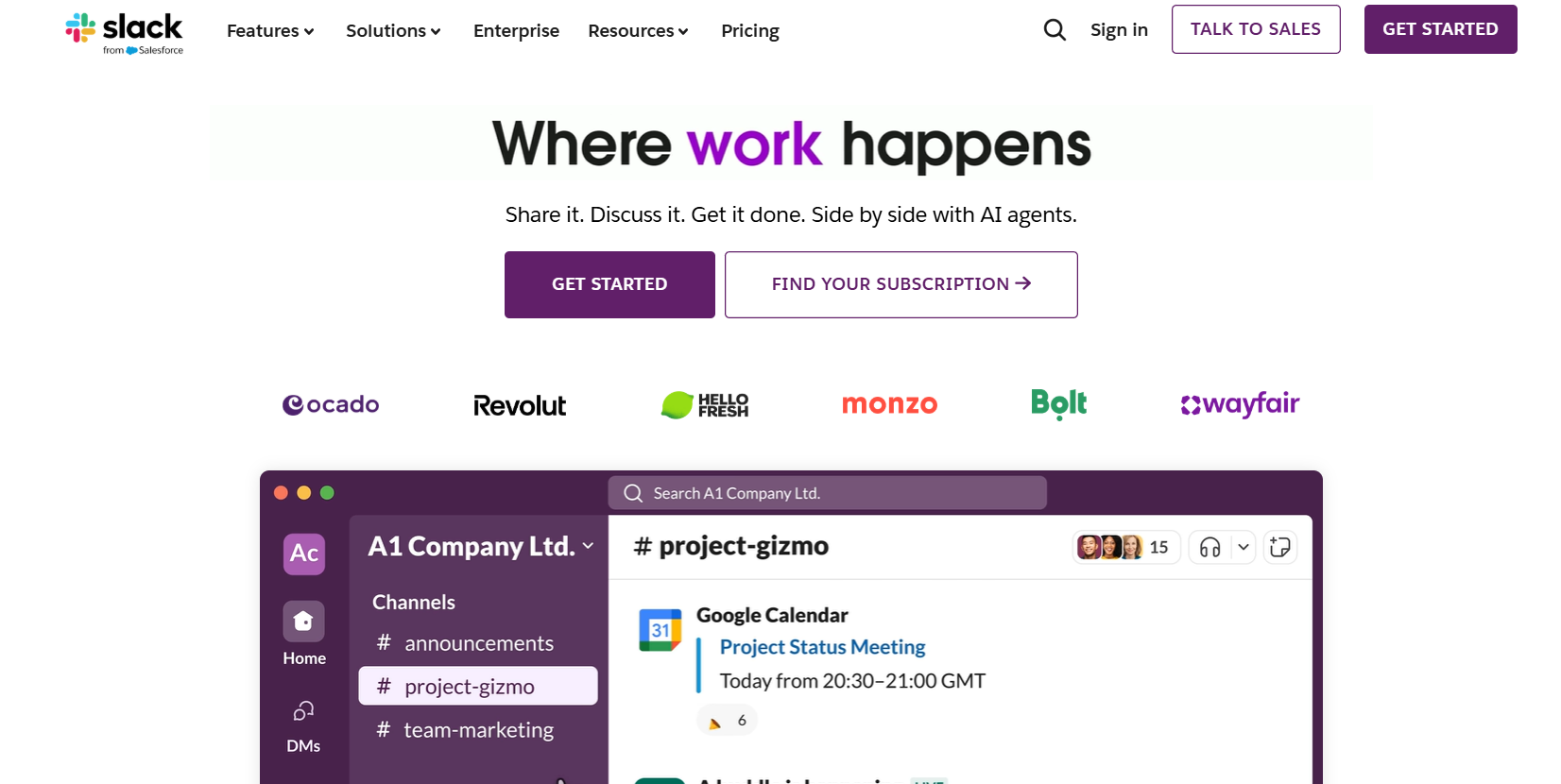
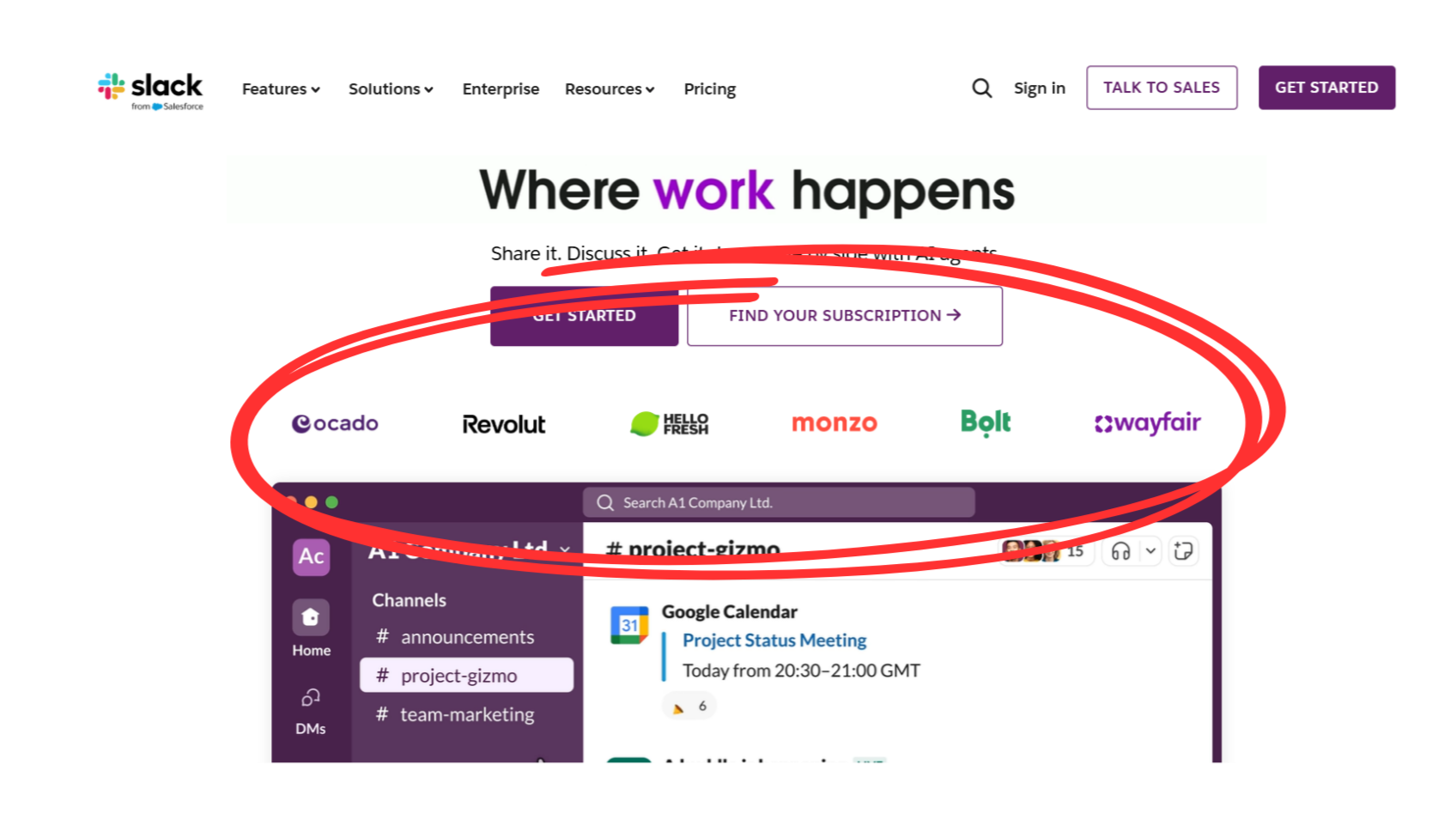
Social proof is another important part of building trust. Testimonials, reviews, client logos, and case studies show that real customers have benefited from the offer. This reassures new visitors and supports the cta.
Technical Problems and Slow Page Speed
A landing page may look strong, but still fail because it loads too slowly. Page speed influences both user behaviour and quality score. If the page takes too long to load, especially on mobile devices, users leave before seeing any content. This damages campaign performance and increases the cost of each visit.

If you are asking why my PPC landing page is not working, start by testing the load time. Large images, too many scripts, or unoptimised templates often cause delays. Tools like PageSpeed Insights show you what needs to be improved. Solutions may include reducing image sizes, removing heavy plugins, or using a landing page builder that focuses on performance.
Mobile usability should also be reviewed. Forms must be simple, buttons easy to tap, and the cta visible without too much scrolling. A landing page should be easy to use on any device if you want to drive traffic that converts.
Weak or High Friction Offers
Even a well-designed landing page will not convert if the offer is unclear or asks too much from the user. Forms with many required fields often lead to drop-offs. If users do not trust the brand yet, they will not share personal information or commit to a high effort action.
A strong offer is simple and appealing. For early-stage searches, a free trial, short guide, or quick estimate may perform better than a full consultation request. The offer should connect directly to the value the user expects based on their search terms. Clear value, low effort, and a well-placed cta often create a noticeable lift in conversions.
Building Trust and Using Social Proof
People are naturally cautious when visiting the website of a business they do not know. This means the landing page must build trust quickly. Social proof helps visitors understand that other customers have already had a positive experience. Case studies, reviews, client logos, awards, or quotes from customers are powerful signals that the page is trustworthy.
Trust also improves when the design looks modern and professional. Simple contact details or callback options can reassure users even further. Without these elements, people may hesitate, especially if the cta asks them to share personal details.
Tracking Issues That Create False Impressions
Sometimes a landing page is performing well but appears to be failing because tracking is not set up correctly. If conversions are not recorded due to broken tracking, missing tags, or redirect issues, Google Ads will show incorrect data. This may lead you to make changes based on misleading information.
Review your tracking setup often. Make sure forms, button clicks, and calls are being measured correctly. If your site redirects after form submission, check that tracking parameters stay in place. Reliable data is essential for understanding what is working and what needs improvement.
External Factors That Can Affect Results
Not all problems come from the landing page or the ads. Seasonal shifts, rising competition, changes in cost per click, or fluctuations in demand can all reduce the number of conversions. These changes can happen even when your ad relevance, landing page design, and messaging remain strong.
Comparing performance year by year, adjusting budgets during quieter periods, and studying search terms can help you manage these external influences. A flexible approach keeps your ppc campaign stable even when the market changes.
Conclusion: Improving Your PPC Landing Pages for Better Results
If you keep asking: Why is my PPC landing page not working? The cause is usually found in the areas explained above. Strong landing pages match search intent, present clear messaging, load quickly, and offer a focused and easy-to-understand cta. They also build trust and use social proof to reassure new visitors. When the ads and landing page work together, your ppc campaign becomes far more effective, and more of your paid traffic will convert.
If you want expert help improving your landing pages or strengthening your ppc advertising, the team at Perpetual10 can support you with strategy, audits, and full campaign management. Get in touch to learn how we can help you improve conversion rates and get better results from paid traffic.