How Slow Website Speed Affects Your E-commerce Sales
In e-commerce, attention spans are short, and competition is high. This is why understanding how slow website speed affects your e-commerce sales is one of the most important parts of running a successful online store. When someone clicks on a product link, they expect the page to appear almost instantly. If it does not, potential customers often leave before the page has even loaded. Slow loading times can damage trust, reduce conversions and limit your growth without you realising it is happening.

Search engines also expect websites to load quickly. Page speed is a recognised ranking factor, especially as more people shop on mobile devices with slower internet connections. A slow website harms visibility, user experience and conversion rates. When website speed drops, it becomes harder to keep users engaged, and even harder to turn visitors into customers. Understanding how slow website speed affects your e-commerce sales is therefore essential for improving website performance and protecting the future of your business.
Why Website Speed Matters More Than Ever
Customers now expect fast-loading pages every time they visit a website. Faster loading times make the experience feel smooth, simple and reliable. Slow loading times create frustration and break the flow of browsing. A high bounce rate is often the first sign that your page loading speeds are too slow. Once users leave a slow website, they rarely return.
Website performance plays a crucial role in how people judge your business. A fast-loading site helps users feel confident that your store is professional and trustworthy. When a website loads slowly, users may worry that the checkout process will also be slow or that the site will not work properly. These small doubts influence buying decisions and can reduce sales without you noticing a clear pattern.
The Real Cost of Slow Loading Times
Slow loading times have a direct impact on sales. Just one extra second of delay can lower conversion rates noticeably. The longer a page takes to appear, the more users drop off before taking any action. Reduced engagement, more abandoned baskets and weaker customer journeys all add up to lost revenue.

Slow performance also wastes advertising spend. If you pay for traffic through paid search or social campaigns, every click is important. When a visitor lands on a page that takes too long to load, they often leave before they see the product. This causes your cost per acquisition to rise without increasing sales.
The financial impact becomes clear when you consider the numbers. If your site receives thousands of visitors each month and slow loading times cause a slight drop in conversion rates, the total revenue loss can grow quickly. Faster loading times help keep more users on the site long enough to convert.
How Slow Speed Affects Every Stage of the E-commerce Customer Journey
Slow speed affects more than just the first click. It influences every step of the customer journey, from browsing to checkout. When a homepage loads slowly, users often leave before exploring categories or products. This reduces overall engagement and lowers the chances of a sale.
On product pages, performance matters even more. Large images and interactive features are important for e-commerce, but they can slow down the site when they are not optimised. When a product page takes too long to load, customers may look at fewer products and spend less time exploring your store.
Speed affects interactions throughout the site. Adding items to the basket, using filters, and navigating categories must all feel smooth. If there is too much delay, users lose patience. Google's core web vitals help measure how well a site performs during these interactions. Poor scores indicate that users are experiencing slow reactions or shifting layouts, both of which cause frustration at critical moments.

Checkout is one of the most sensitive stages. Even small delays can lead to abandoned carts. When speed problems occur at the final step of the process, the loss of revenue can be significant.
Mobile Site Speed and Why It Matters Most
Mobile site speed has become one of the most important parts of e-commerce. Most users now browse and shop on mobile devices. Without reliable performance on mobile, it is difficult to maintain strong conversion rates. Mobile devices often have slower connections and less processing power than desktop computers, which makes efficient page loading even more important.
Search engines judge websites based on mobile performance. If a mobile version loads slowly, this can affect how well the site ranks in search results. A lower position means fewer visitors and fewer chances to convert. With mobile devices accounting for a large share of e-commerce traffic, poor mobile site speed can have a major effect on overall sales.
Improving mobile performance requires more than simply making the layout responsive. You must consider how quickly the most important parts of the page appear, how stable the layout is during loading and how quickly buttons and menus become usable. When the mobile experience is fast, the entire journey becomes easier for customers.
SEO Consequences and the Role of Search Engines
Website speed has a direct link to SEO. Slow loading times push pages lower in search results because search engines want to direct users to websites that provide a smooth user experience. If your pages load slowly, they will struggle to compete against faster alternatives. Lower positions reduce visibility and the amount of organic traffic your website receives.
Google's core web vitals highlight the technical areas that matter most. They measure how long it takes for the main content to appear, how quickly the website reacts to user actions and how stable the layout is when loading. Poor performance in these areas often leads to weaker search rankings and fewer clicks. Since organic traffic is a key sales driver for e-commerce sites, maintaining strong speed metrics is essential.
Common Causes of Slow Website Speed
Several factors can slow an e-commerce website down. Large images that are not compressed often create heavy pages that take longer to load. This is one of the most common issues across all e-commerce websites.
Excessive scripts, unused plugins and complicated code also contribute to poor performance. When a browser has too many files to process, it slows down the time it takes for the website to appear.
Server performance plays a major role as well. Hosting plans that worked when a business was smaller may not be able to support increasing levels of traffic. When servers respond slowly, the entire website feels slower, even if the design is well optimised.
Redirects, broken links, out-of-date code and uncompressed files also reduce speed. Identifying the causes of these issues is the first step in improving website performance.
How to Improve E-Commerce Website Performance
Improving page load time begins with analysing the current issues. Tools that measure speed can highlight which files or features are causing delays. Once the issues are clear, you can begin addressing them in a structured way.
Image optimisation is often one of the quickest improvements. Compressing images, choosing the right file formats and resizing them properly can reduce loading times considerably.
Reducing unnecessary scripts and plugins helps the browser load essential content first. Many websites accumulate tools over time, which can slow the whole site down. Cleaning out unused features helps streamline the loading process.
Improving the hosting environment can make a major difference. A faster server or a content delivery network can shorten the distance between your site and the user, which improves how quickly the website loads anywhere in the world. Caching is another method that helps speed up repeat visits by storing common files for quicker access.
Optimising code, keeping the site structure simple and testing regularly all contribute to a faster and more stable experience.
How to Measure Website Speed and Track Performance Over Time
Tracking performance is essential if you want long-term results. Tools such as Google PageSpeed Insights, Lighthouse, GTmetrix and WebPageTest allow you to see how your site performs on different devices and in different conditions. These tools measure important metrics such as page speed, time to interactive and layout stability.
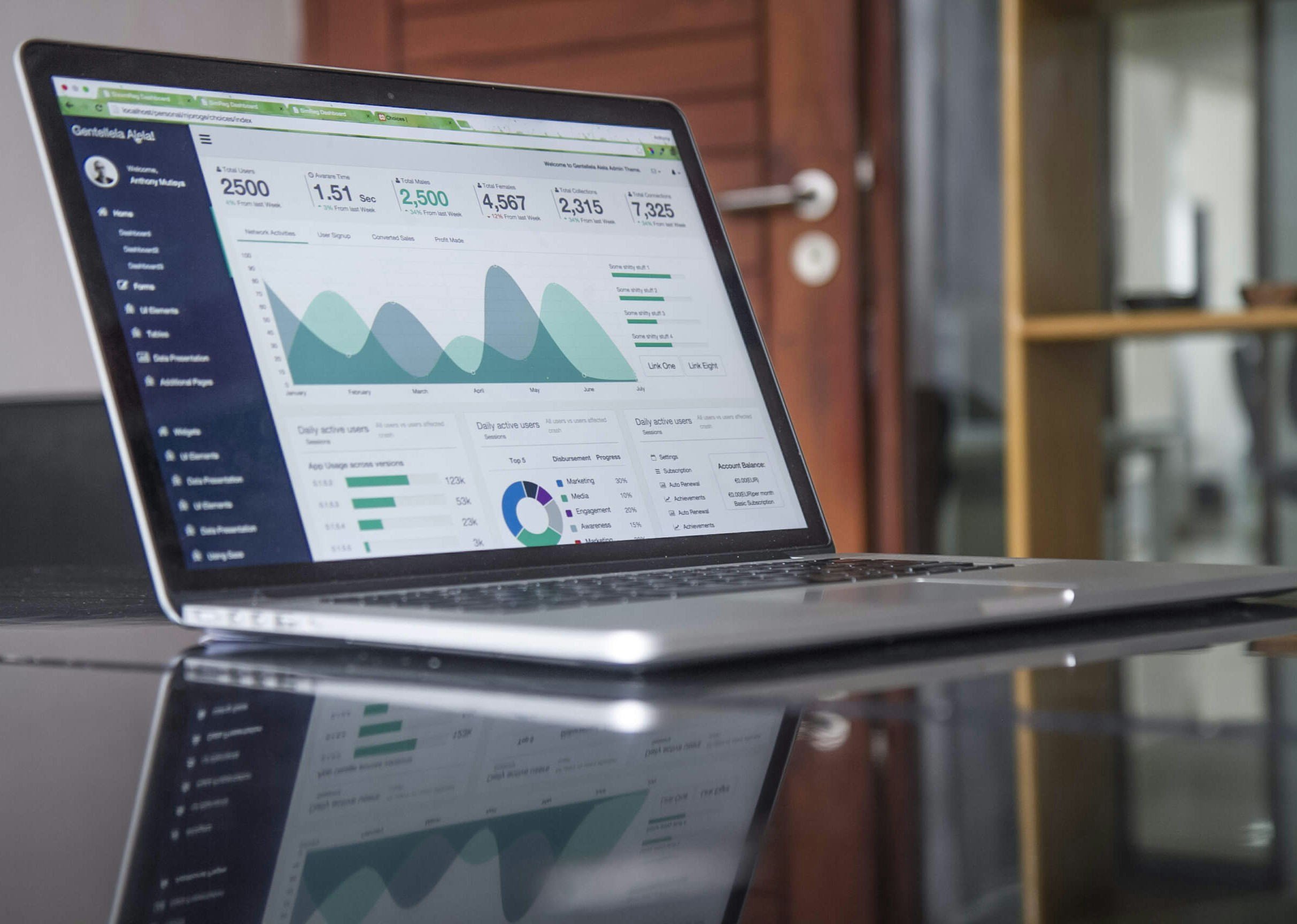
Monitoring Google's core web vitals helps you understand how real users experience your site. Regular testing shows how updates, new products or design changes affect speed. It also helps you catch potential problems before they harm your conversion rates.
Future Proofing Your E-commerce Performance
Website performance changes over time because websites naturally grow and evolve. New products, images, features and plugins all affect how the site performs. For this reason, speed optimisation should be a continuous process. By reviewing code updates, compressing new files, testing large images and checking mobile site speed regularly, you keep the site healthy and reliable.
Building simple checks into your workflow helps you prevent slow loading times before they start to affect sales and visibility.
Conclusion: Why Improving Website Speed Should Be Your Next Priority
Understanding how slow website speed affects your e-commerce sales is essential if you want to stay competitive and maintain strong growth. Page loading speeds influence user experience, bounce rates, conversion rates and search engines. Slow loading times harm your ability to rank well, reduce visibility and limit the number of users who reach your products. Fast loading pages create a smoother journey, encourage trust and support higher sales. If you want to see stronger results and build a more effective e-commerce presence, now is the time to improve website performance. To explore how Perpetual10 can help you achieve faster loading times and better results across your digital platforms, reach out and discover what is possible for your business.