How Do I Check If My Marketing Is Actually Working?
Many businesses spend time and money on marketing but still struggle to answer one important question: how do I check if my marketing is actually working? This can be confusing, especially if you are not used to looking at data or measuring results. You might notice the occasional new enquiry, a few likes on social media or a rise in website traffic, but these signs alone do not show whether your marketing strategy is doing what you need it to do.
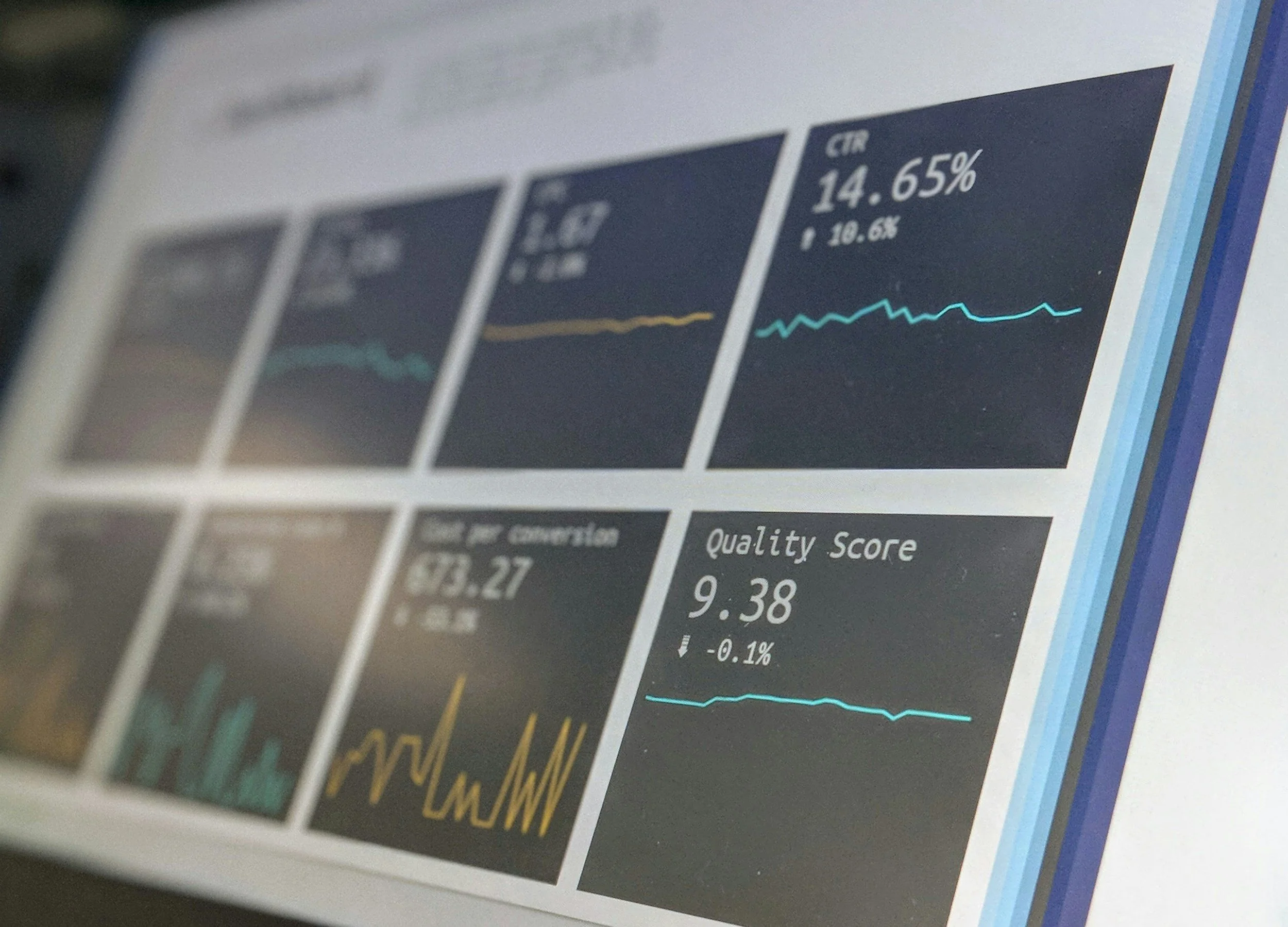
The good news is that checking the impact of your marketing efforts does not have to be complicated. With a straightforward process, you can learn what is working well, what is not bringing results and where your budget is making the biggest difference. This guide explains how to measure a marketing campaign properly, how to understand return on investment and which metrics deserve your attention. It also helps you avoid common mistakes like focusing on vanity numbers that look impressive but do not help your business grow.
Start with Clear Goals
The first step is to know what you want your marketing to achieve. Without clear goals, it becomes difficult to judge whether a marketing campaign has been successful. Many businesses launch activity without setting targets, which makes performance difficult to measure later.

Your goals should match your wider business aims. If you want more enquiries, you might measure how many new leads you receive. If you want stronger brand awareness, you could look at website traffic or reach. If you want more repeat business, you might track the number of returning customers.
Setting goals gives you a direction for your marketing strategy. It also allows you to look at results in a meaningful way. Instead of guessing whether something has worked, you can compare your outcomes with the targets you set.
Understand What Success Looks Like
Success will look different for each business. A company that relies on high-value clients will expect different results from a business that sells lower-cost products at a higher volume. This is why it is important to define success in a way that makes sense for your business model.
Think about the results that would help your business move forward. This could be more bookings per month, a rise in qualified enquiries or an increase in returning customers. Once you know what this looks like, you can match your marketing activity to the outcome you want. This also stops you from relying on broad statements like "traffic is up" or "social media is busy", because these do not always lead to real business gains.
Set Up Tracking That Works
Once your goals are in place, you need a reliable way of tracking your marketing efforts. This allows you to see where customers come from and how they interact with your business.
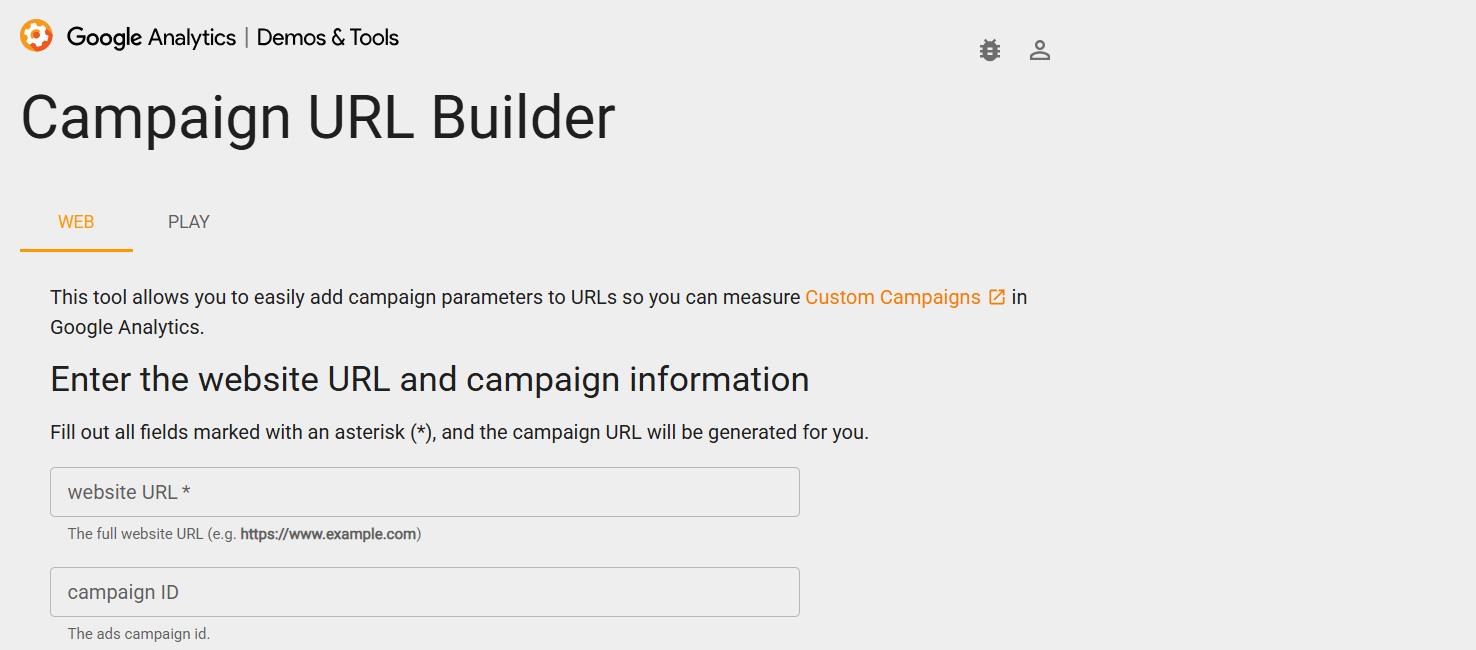
Online tracking can be set up through tools like UTM links, which help you see which website clicks come from which posts, emails or adverts. When these feed into Google Analytics, you can see how users behave once they reach your site. This includes the pages they visit, how long they stay, what they click and whether they convert into leads or customers.
Offline activity can be tracked by using unique discount codes, asking customers where they heard about you or directing them to dedicated landing pages. If you advertise at events, run print adverts or hand out flyers, these methods help you see which activity leads to results.
The final part of tracking is connecting your marketing to your sales data. This shows whether your marketing strategy supports real revenue. When you can see which channels bring high-quality enquiries and which ones lead to sales, you gain a much clearer picture of your performance.
Focus on the Right Metrics
A common mistake is focusing on vanity metrics. These include likes, impressions and general follower numbers. They show visibility, but they do not reveal whether your marketing is working in a commercial sense.
More useful metrics include conversion rates, cost per acquisition, customer lifetime value and the number of leads that turn into sales. These help you understand which marketing efforts produce genuine results. Tools such as Google Analytics support this by showing the behaviour of your visitors and how different channels contribute to conversions.
Email performance can be tracked by open rates and click-through rates. Your CRM can help you see how many leads turn into customers. By combining these insights, you can build a clear and accurate view of your marketing campaign performance.
Understand ROI and Marketing Efficiency
ROI, or return on investment, helps you assess whether your marketing generates profit. It compares the revenue from your marketing activity to the cost of running it. However, ROI should not only be seen as an immediate number. Some marketing activity helps build interest over time and does not show quick revenue. This still supports growth, but in a longer and more gradual way.

Another helpful measure is the Marketing Efficiency Ratio, also known as MER. Instead of looking at individual channels, MER looks at your marketing performance as a whole. It compares total revenue against total marketing spend. This gives you a broader view and avoids the risk of misreading results when customers see your business across different touchpoints before making a purchase.
Using both ROI and MER together gives you a balanced understanding of how well your marketing strategy is performing.
Use Attribution to Understand the Customer Journey
Attribution helps you understand which marketing activities play a part in bringing a customer to your business. A person might see your social media content, then search for you on Google later, and then convert after reading an email. If you only look at the final click, you miss the full picture.
There are different attribution models. These include first click, last click and multi-touch attribution. They all have their uses, although none of them are perfect. The goal is not to find a perfect model but to gain a clearer idea of how your audience moves from awareness to conversion.
Attribution helps you make better decisions about where to invest your time and budget. It also helps you understand how different channels support each other.
Use Customer Feedback to Support Your Data
Although data offers useful insights, customer feedback helps you understand the reasons behind their actions. Speaking directly to customers or reviewing survey responses can reveal information that analytics tools cannot.

For example, customers may mention that they found your content helpful or that your brand seemed more trustworthy than others. They may tell you that your website was easy to use or that your communication stood out. These comments help you understand how your marketing efforts affect perception and behaviour.
Combining data with feedback gives you a more rounded understanding of the customer experience.
Look at Competitors and the Market Around You
Marketing results only make sense when you look at the wider landscape. If your competitors have increased their advertising, improved their messaging or become more visible in search results, your own results might appear to slow down. This does not always mean your marketing is failing. It simply means the market has shifted.
Checking your share of voice, monitoring search visibility and reviewing competitor activity can help you understand where you stand. This also highlights opportunities for improvement and helps guide your future marketing strategy.
Bringing Everything Together
Once you have established your goals, set up tracking, focused on the right metrics and reviewed the customer journey, you can build a simple process to analyse your performance. Review your data regularly. Compare your results with your original goals. Look for patterns and identify areas that need improvement. Small, consistent adjustments often create the strongest long-term outcomes.

This approach helps you build a stronger and more effective marketing strategy. It also saves time, reduces wasted spending and gives you confidence in your decision-making.
Conclusion
Understanding whether your marketing is working becomes much clearer when you track the right information and compare it to clear goals. With a structured approach, you can see what drives value, which areas need attention and where new opportunities are waiting. If you would like help reviewing your marketing strategy or turning your data into simple, useful insights, our team is ready to support you. We can help you understand what is delivering results and how to strengthen your future growth.